

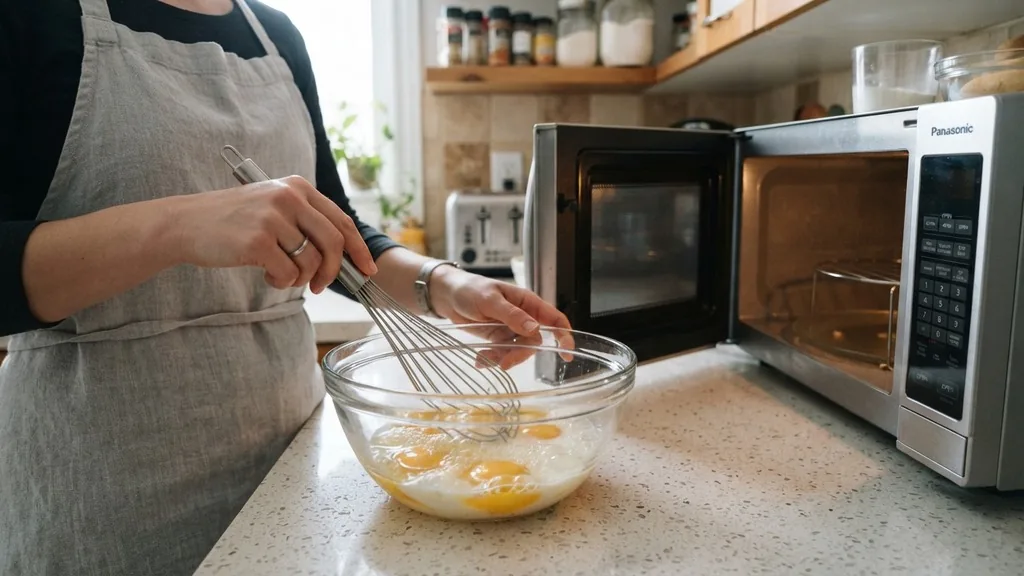
Learning how to make scrambled eggs microwave style is a game-changer for busy mornings, college students, or anyone looking to minimize cleanup. While traditional stovetop methods involve pans, spatulas, and constant heat management, the microwave offers a surprisingly efficient alternative that yields light, fluffy results when done correctly. By understanding the science of microwave heating—which relies on agitating water molecules within the food—you can produce a delicious breakfast in under three minutes without ever needing to touch a burner.
The Science Behind Microwave Cooking for Eggs

To master how to make scrambled eggs microwave style, you must first understand how your appliance interacts with protein-heavy ingredients. Microwaves emit electromagnetic waves that cause water molecules to vibrate rapidly, generating heat through friction. Because eggs are composed mostly of water and protein, they are highly responsive to this energy.
The primary challenge in the microwave is uneven heating; the exterior of the egg mixture often cooks faster than the center. This is why the technique requires frequent interruptions to stir the eggs, ensuring that the heat is distributed evenly throughout the bowl.
When you beat eggs in a microwave-safe bowl, you are introducing air into the mixture, which is essential for achieving a light texture. As the microwave energy hits the egg proteins, they begin to denature and coagulate.
If you leave the eggs in the microwave for too long without stirring, the proteins tighten too quickly, leading to a rubbery or “leathery” consistency that many people dislike. By using a “pulse” method—cooking in short bursts followed by vigorous stirring—you disrupt the formation of large, tough protein strands, resulting in a soft, creamy curd similar to what you would expect from a high-quality non-stick pan.
Essential Equipment and Ingredient Preparation
Before you begin, gathering the right tools is paramount to success. You do not need fancy gadgets, but you do need a reliable microwave-safe bowl.
Ceramic or tempered glass bowls are ideal because they retain heat well, which helps the eggs continue to cook gently even after you remove them from the microwave. Avoid using thin plastic containers, as they can warp or leach chemicals when exposed to the high heat required for protein coagulation.
Regarding ingredients, the quality of your egg matters significantly. Large, fresh eggs provide the best structure. While you can make scrambled eggs microwave style with just eggs, adding a fat or liquid can improve the final mouthfeel.
Many people prefer adding a small amount of milk, heavy cream, or even a dollop of sour cream or mayonnaise. These additions act as a buffer for the proteins, preventing them from bonding too tightly and keeping the eggs moist. You can find detailed nutritional information and safe handling tips for eggs at the United States Department of Agriculture, which emphasizes the importance of cooking eggs until the yolks and whites are firm to ensure food safety.
Step-by-Step Execution for Perfect Microwave Eggs
The actual process of cooking eggs in the microwave is straightforward if you follow a precise rhythm. Start by cracking two large eggs into your microwave-safe bowl. Add a pinch of salt and a dash of pepper for seasoning.
If you are adding milk, use a ratio of about one tablespoon per egg. Use a fork or a small whisk to beat eggs in the bowl until the yolks and whites are completely combined and the mixture is uniform in color.
Place the bowl in the microwave and set the timer for 45 seconds to start. Once the timer stops, carefully remove the bowl using an oven mitt, as the glass will be hot. You will notice the edges beginning to set.
Use a fork to stir the mixture thoroughly, breaking up any cooked portions and bringing them toward the center. Return the bowl to the microwave and cook for another 30-second interval.
Repeat this cycle of cooking and stirring until the eggs are mostly set but still look slightly wet. The residual heat will finish the cooking process once you take them out, preventing them from drying out on your plate.
- Use a microwave-safe bowl with high sides to prevent overflow.
- Add a dash of milk or cream for a creamier texture.
- Always stir between intervals to ensure uniform heat distribution.
- Season with salt and pepper only after the eggs are fully cooked to prevent toughness.
- Let the eggs sit for 30 seconds before serving to allow the internal structure to stabilize.
Common Mistakes and How to Avoid Them
Even with a simple process, there are common pitfalls that can ruin your breakfast. The most frequent error is overcooking. Because the microwave continues to transfer energy into the food for a few moments after the cycle ends, it is easy to overshoot the mark.
If your eggs look completely dry in the microwave, you have likely waited too long. Aim for a slightly underdone appearance; the eggs should still have a glossy, moist sheen when you pull them out for the final time.
Another mistake is neglecting to grease the bowl. Even though it is a quick process, the egg proteins can stick stubbornly to the sides of the bowl, making cleanup difficult. A quick spray of non-stick cooking oil or a small dab of butter rubbed around the interior of the bowl before adding the eggs will make a massive difference.
Additionally, avoid using high power settings if your microwave is particularly powerful. If your microwave is over 1100 watts, consider reducing the power level to 70% or 80%. This slower rate of energy absorption allows the eggs to cook more gently, yielding a result that is much closer to a classic stovetop scramble.
Customizing Your Microwave Scramble
Once you have mastered the basic technique, you can elevate your meal by incorporating various mix-ins. Shredded cheese is a popular addition, but it should be added during the final stir to ensure it melts without becoming oily. Vegetables like spinach, diced bell peppers, or onions should be sautéed or microwaved separately first, as they release water while cooking; if you add raw vegetables to your egg mixture, you will end up with a watery, unappealing mess.
You can also experiment with different fats to change the flavor profile. Using butter adds a rich, nutty note, while a teaspoon of pesto or a sprinkle of chives can transform a simple bowl of eggs into a gourmet breakfast. The beauty of the microwave method is its versatility—you are essentially creating a blank canvas that can be tailored to your specific palate in under three minutes.
| Ingredient | Purpose | When to Add |
|---|---|---|
| Milk/Cream | Adds moisture and fat | Before microwaving |
| Butter | Enhances flavor and prevents sticking | Before microwaving |
| Shredded Cheese | Provides richness and texture | During the final stir |
| Fresh Herbs | Adds brightness and aromatics | After cooking |
Addressing Topical Gaps and Advanced Tips
Many guides fail to mention the importance of bowl shape. A wide, shallow bowl will cook the eggs much faster than a deep, narrow mug. If you are using a mug, be prepared to increase the number of intervals because the surface area exposed to the microwave energy is smaller.
Furthermore, if you are cooking for more than one person, do not simply double the time. Cooking four eggs at once requires a much larger bowl and more frequent stirring to ensure the center does not remain raw while the edges burn.
Another overlooked aspect is the “resting phase.” Just like a steak, eggs need time to settle. When you remove them from the microwave, the proteins are still in a state of flux.
Letting them sit for 30 to 60 seconds allows the proteins to relax into their final structure. If you find your microwave-scrambled eggs are often “bubbly” or foamy, it is usually because you over-whisked them. While you want to beat the eggs until combined, avoid whipping them into a frenzy, as this incorporates too much air, which expands rapidly in the microwave and creates a sponge-like texture rather than a silky curd.
Frequently Asked Questions
Do I have to add milk to microwave scrambled eggs?
No, you do not have to add milk. While milk or cream can help create a creamier texture and provide a buffer against the heat, you can make perfectly acceptable scrambled eggs using only eggs, salt, and a small amount of butter or oil for flavor and moisture.
How long do scrambled eggs take in the microwave?
On average, scrambled eggs take between 60 and 90 seconds in the microwave. This depends on the wattage of your appliance and the number of eggs being cooked. It is essential to cook in 30-second intervals, stirring in between, to prevent the eggs from becoming rubbery.
Can I add cheese to my microwave eggs?
Yes, you can add shredded cheese to your eggs. For the best results, add the cheese during the final 30-second interval or immediately after you take the eggs out. This allows the cheese to melt perfectly into the hot eggs without burning or separating into oil.
Why do my microwave eggs get rubbery?
Eggs become rubbery when the proteins are overcooked. This happens if you cook them for too long in one stretch or if you use a power level that is too high. Always use short, timed pulses and stir frequently to ensure the eggs remain soft and fluffy.


