

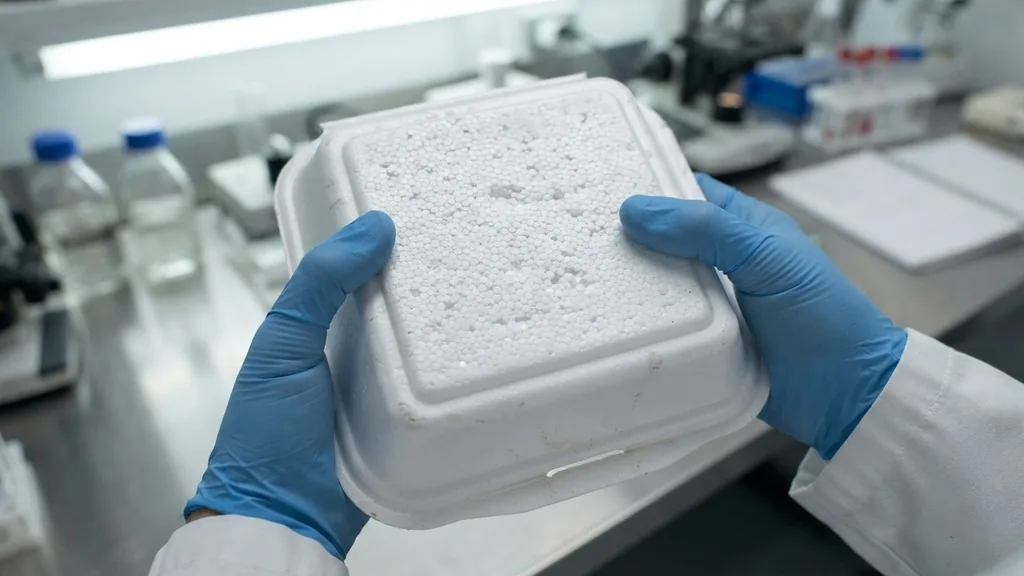
When you are staring at a leftover meal from a restaurant, the question of whether you can microwave styrofoam often crosses your mind. It is a common dilemma: you want to warm up your food quickly, and the convenience of using the original takeout container seems like a logical time-saver.
However, the reality of heating this material is far more nuanced than simply pressing the start button on your appliance. Understanding the chemical properties of expanded polystyrene, commonly known as foam or styrofoam, is essential for making informed decisions about your health and food safety.
Understanding the Composition of Expanded Polystyrene
To determine if you can microwave styrofoam, it is necessary to examine what the material actually is. Expanded polystyrene (EPS) is a petroleum-based plastic product. It is created by expanding polystyrene beads with steam and then molding them into the shapes we recognize, such as coffee cups, takeout boxes, and protective packaging.
The chemical structure of this material is designed for insulation and lightweight durability rather than heat resistance. When it encounters high temperatures, the structural integrity of the polymer chains can be compromised.
While many people use the term interchangeably with other types of plastic, EPS is quite distinct. It is essentially a rigid, closed-cell foam. Because it is highly porous and contains a large volume of air, it serves as an excellent thermal insulator.
This is exactly why it keeps your hot coffee hot and your cold beverages cold. However, this same characteristic makes it a poor candidate for the microwave. When you heat food inside a container made of this material, the thermal energy is not just warming your meal; it is also interacting with the plastic itself.
The Science of Heat Interaction and Chemical Leaching
The core concern regarding microwaving this material involves the migration of chemical compounds from the container into your food. The primary building block of polystyrene is styrene. Styrene is a synthetic chemical that has been the subject of extensive scientific study regarding its potential impact on human health.
When you subject an EPS container to the intense, localized heat generated by a microwave, the material may begin to soften, warp, or even melt. This physical degradation is often accompanied by the release of residual chemicals.
Research suggests that when polystyrene is heated, it can leach styrene into fatty or acidic foods. Because many takeout meals contain oils, fats, or acidic sauces, the potential for chemical migration is significantly higher than it would be with water-based items. The U.S.
Food and Drug Administration (FDA) regulates food contact substances to ensure they are safe for their intended use. However, “intended use” for most foam containers does not include exposure to the high heat of a microwave oven. When you exceed the thermal tolerance of the plastic, you move outside the scope of what the container was designed to handle, potentially exposing yourself to substances that are best avoided.
Distinguishing Between Microwave-Safe and Standard Foam
Not all plastic containers are created equal. You have likely noticed that some containers feature a “microwave-safe” label, while others do not. This distinction is vital.
A container labeled as microwave-safe has undergone testing to ensure it does not melt, break down, or leach harmful chemicals into food at the temperatures typically reached during the reheating process. Standard foam takeout containers rarely carry this designation because they are intended for single-use transport rather than active cooking or reheating.
If a container does not explicitly state it is safe for microwave use, you should operate under the assumption that it is not. Manufacturers often use different additives and stabilizers in microwave-safe plastics to improve their heat resistance. Foam products lack these specialized reinforcements.
If you are ever in doubt, the safest course of action is to transfer your food to a glass or ceramic dish before heating. This simple step eliminates the risk of melting plastic or chemical migration entirely, ensuring that your meal remains uncontaminated by the container materials.
Health Considerations and Long-Term Exposure
The conversation surrounding the safety of polystyrene often touches upon the risk of cancer. Styrene is classified by some health organizations as a potential human carcinogen. While the amounts of styrene that might leach into food from a single incident of microwaving a foam container are generally considered low, the concern lies in cumulative exposure.
Many people rely on takeout containers for convenience multiple times a week. Over months or years, these small, incremental exposures can become a point of concern for public health experts.
Beyond the chemical risks, there is also the physical risk of the container failing. When foam gets too hot, it can lose its shape, leading to spills of hot food that can cause burns. In some cases, the material can become so soft that it sticks to the food itself, making it difficult to consume your meal without ingesting small particles of the foam.
This is not only unappetizing but also highlights the physical instability of the material under heat stress. Prioritizing food-grade glass or microwave-safe silicone is a much better strategy for long-term health and kitchen safety.
Comparing Container Materials for Reheating
When you are deciding how to reheat your leftovers, it helps to compare the different materials commonly found in your kitchen. Not all vessels perform equally well when subjected to the electromagnetic waves of a microwave. The following table provides a quick reference for common materials and their suitability for the microwave.
| Material | Microwave Suitability | Notes |
|---|---|---|
| Glass (Pyrex) | Excellent | Highly heat resistant and non-reactive. |
| Ceramic | Good | Generally safe, provided it is not lead-glazed. |
| Microwave-Safe Plastic | Acceptable | Must be labeled as such by the manufacturer. |
| Expanded Polystyrene (Foam) | Not Recommended | Prone to melting, warping, and chemical leaching. |
As indicated in the table, glass and ceramic remain the gold standard for reheating. These materials do not melt, they do not release toxins into your food, and they are easy to clean.
While foam is excellent for keeping food warm during the drive home from a restaurant, its utility ends once you reach your kitchen. By keeping a set of glass storage containers on hand, you can bypass the “can I microwave this” anxiety entirely.
Common Misconceptions and Best Practices
One of the most persistent myths is that short bursts of time in the microwave make it safe to use foam. Some people believe that if they only heat the food for ten or thirty seconds, the plastic won’t get hot enough to release chemicals. While it is true that a very short duration reduces the intensity of the heat, it does not remove the risk.
Microwaves can create “hot spots” in food, particularly in areas with high fat or sugar content. These hot spots can transfer intense heat to the container surface almost instantly, even if the rest of the food remains relatively cool.
To maintain a safe kitchen environment, follow these best practices:
- Always transfer food from a takeout foam container to a glass or ceramic plate before reheating.
- Check the bottom of plastic containers for a recycling symbol or a microwave-safe icon.
- Avoid using any container that shows signs of wear, cracks, or previous melting.
- When in doubt, use a paper towel to cover your food in a glass dish to prevent splattering while maintaining moisture.
- Recycle your foam containers if your local municipality accepts them, but never reuse them for high-heat applications.
By adhering to these guidelines, you can enjoy the convenience of takeout without compromising your health. The goal is to minimize the interaction between heat and potentially reactive materials, ensuring that your food remains pure and your kitchen remains a safe space.
Addressing Topical Gaps: Why Foam Persists in the Industry
You might wonder why, if the material is not microwave-safe, restaurants continue to use it so frequently. The answer lies in economics and logistics. Expanded polystyrene is incredibly inexpensive to produce compared to paper-based or compostable alternatives.
It is also exceptionally lightweight, which reduces shipping costs for restaurant supply distributors. Furthermore, its insulating properties are superior for keeping hot foods hot during delivery, which is a major selling point for food service businesses that prioritize the quality of the meal upon arrival.
However, the industry is gradually shifting. Many regions have begun implementing bans or restrictions on single-use polystyrene due to its environmental impact. As consumer awareness grows, restaurants are increasingly seeking out more sustainable and heat-stable packaging options.
While foam remains a standard in many places due to its low cost, its days as the default choice for food service are likely numbered. Recognizing these industry trends helps put the question of microwaving foam into context: it is a legacy material that was designed for transport, not for the modern, high-tech kitchen.
Frequently Asked Questions About Microwaving Foam
Is it ever safe to microwave styrofoam if it is labeled microwave-safe?
If a container is explicitly labeled as microwave-safe, the manufacturer has tested it to ensure it can withstand the heat without leaching chemicals or melting. Always look for the specific symbol on the bottom of the container; if it is missing, do not risk it.
What happens if I accidentally microwave food in a foam container?
Do not panic. If you only heated the food for a very short time and the container did not melt or warp, the risk is likely minimal. However, discard the food if you see any signs of melting, deformation, or if the food has come into direct contact with a melted section.
Can I use a paper towel to line a foam container to make it safer?
No, a paper towel will not protect the food from potential chemical leaching if the foam itself begins to break down due to heat. The heat from the food will still conduct through the towel into the container. Always transfer food to a microwave-safe dish first.
Why does my food smell like chemicals after heating in foam?
If your food develops an unusual, plastic-like odor after being heated in a foam container, it is a sign that the plastic has begun to degrade or release volatile organic compounds. Stop eating the food immediately, as these odors indicate that chemical migration has likely occurred.


