

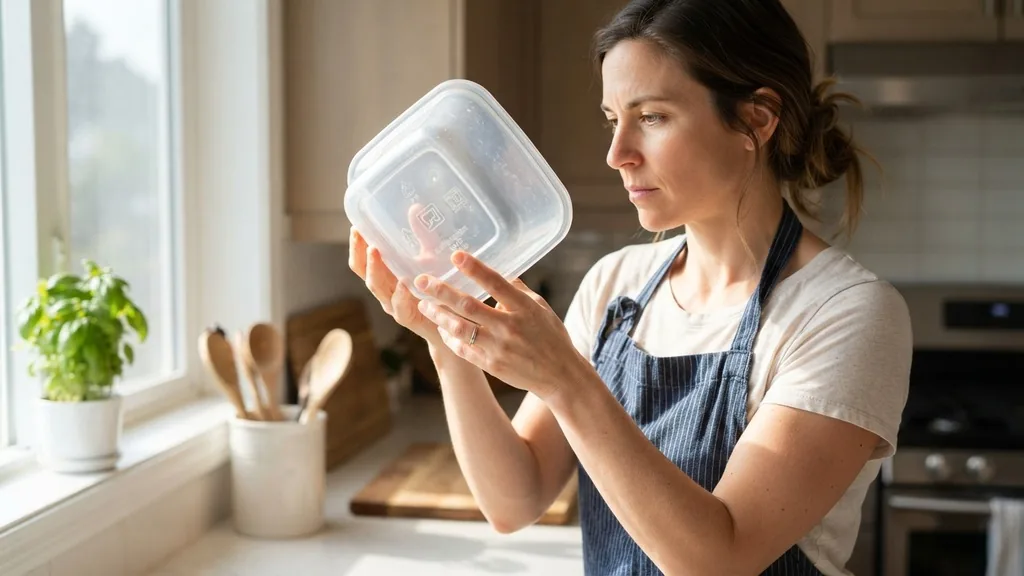
Determining whether you can put Tupperware in the microwave is a common kitchen dilemma that often leads to confusion due to the vast array of plastic products available today. While many people use the term “Tupperware” as a generic synonym for all food storage containers, the reality is that not every vessel is designed to withstand the intense thermal energy generated by microwave radiation. Whether a container is safe to heat depends heavily on its material composition, its age, and whether it has been explicitly tested and labeled as microwave-safe by the manufacturer.
Using the wrong type of plastic can lead to warping, melting, or, more concerningly, the leaching of harmful chemicals into your food. Before you hit the start button on your appliance, it is essential to understand the specific indicators of safety and the physical properties of the materials in your cabinet.
Identifying Microwave-Safe Plastic Containers
The primary method for determining if you can put Tupperware in the microwave is to look for official labeling. Most modern manufacturers include a specific icon on the bottom of the container.
This symbol typically features a box with wavy lines inside it, indicating that the item has been engineered to endure microwave heat without compromising its structural integrity. If you do not see this symbol, or if the container is worn, scratched, or significantly aged, it is best to err on the side of caution.
Beyond the icon, it is helpful to understand the resin identification codes—the small numbers inside the recycling triangles found on the bottom of most plastic items. While these numbers were originally intended for recycling purposes, they provide insight into the type of plastic used. For instance, polypropylene (often marked with the number 5) is highly heat-resistant and is the standard material for most microwave-safe storage containers.
Conversely, containers made from older plastics or those containing certain additives may not be designed for high temperatures. Even if a container is labeled as microwave-safe, it is often intended for reheating rather than long-term cooking.
Extended exposure to heat can accelerate the degradation of even the most robust plastics, potentially leading to microscopic surface damage where bacteria can hide or chemical compounds can seep into your meals. Always inspect your storage container for signs of pitting, clouding, or warping, as these are visual cues that the material has reached the end of its functional life for thermal applications.
The Risks of Heating Improper Plastic
When you place an unsuitable plastic container in the microwave, you are not just risking a melted mess; you are potentially exposing your food to chemical migration. The process of heating causes the polymer chains within the plastic to become more mobile.
In lower-quality or non-microwave-safe plastics, this heat can facilitate the release of substances such as phthalates or bisphenol A (BPA) into the contents of the dish. While many modern companies have transitioned to producing BPA-free products, the term itself does not guarantee that the container is entirely free of all potentially reactive chemical compounds.
Furthermore, the physical structure of the plastic can fail when exposed to high-fat or high-sugar foods. These substances can reach temperatures well above the boiling point of water, which can cause the plastic to deform or even melt locally at the point of contact. This phenomenon is often referred to as “hot spotting.”
If you notice that your container has developed white, rough patches or has changed shape after being used in the microwave, it is a clear indication that the material’s heat tolerance threshold has been exceeded. Once a container has been compromised in this way, it should no longer be used for food storage or reheating, as the damaged surface area is more prone to further leaching and is significantly harder to clean effectively. Relying on high-quality materials is a fundamental aspect of safe food storage management in a modern home.
Comparing Container Materials for Thermal Safety
To make an informed decision, it is useful to compare how different materials react to the conditions inside a microwave. While plastic is convenient and lightweight, other materials offer different advantages and drawbacks regarding thermal stability. The table below outlines the general safety and performance characteristics of common kitchen storage materials when used in a microwave environment.
| Material Type | Microwave Suitability | Heat Resistance | Longevity |
|---|---|---|---|
| Borosilicate Glass | Excellent | High | Very High |
| Polypropylene (Plastic #5) | Good (If labeled) | Moderate | Medium |
| Ceramic (Non-metallic) | Excellent | High | |
| Thin/Disposable Plastic | Poor | Low |
As indicated in the data, glass and high-quality ceramics remain the gold standard for microwave usage. Unlike plastics, these materials do not degrade under normal microwave conditions and are chemically inert, meaning they will not leach any substances into your food regardless of the temperature. If you frequently reheat leftovers, investing in a set of glass storage containers can provide total peace of mind.
While plastic is undeniably useful for its portability and drop-resistance, it should ideally be reserved for cold storage or room-temperature items. By distinguishing between containers meant for transportation and those meant for thermal processing, you can significantly improve the safety and quality of your daily meal preparations.
Proper Usage and Best Practices for Reheating
Even when you are certain that your container is labeled as microwave-safe, how you conduct the heating process matters. Simply placing a container in the microwave and walking away can lead to uneven heating or excessive pressure buildup.
One of the most important rules is to avoid overheating. Microwaves work by agitating water molecules, and if you heat food for too long, the steam generated can create enough pressure to warp the lid or cause the food to splatter, which in turn creates hot spots on the plastic surface.
It is also vital to remove the lid or place it slightly ajar before heating. If the container is sealed, the expanding air and steam have nowhere to go, which can cause the container to pop or potentially explode. Using a paper towel to cover the opening can help prevent splattering while still allowing steam to escape.
Additionally, consider the fat and sugar content of your meal. Foods with high concentrations of these ingredients should be reheated in shorter bursts, stirring frequently to distribute the heat evenly. This prevents the “hot spotting” mentioned earlier, where localized high temperatures damage the plastic.
When in doubt, transfer your food to a glass or ceramic plate or bowl before heating. This simple step eliminates the guesswork and ensures that you aren’t subjecting your storage containers to unnecessary stress.
For more information on food safety standards, you can visit the U.S. Food and Drug Administration guidelines on food contact substances.
Addressing Topical Gaps: Common Misconceptions
A common area of confusion involves the difference between “microwave-safe” and “heat-resistant.” Many users assume that because a container can be washed in a dishwasher with hot water, it is automatically safe for the microwave. This is a dangerous assumption.
Dishwashers subject items to hot water, but the duration and the mechanism of heating are entirely different from the intense, focused energy of a microwave. A container that survives a dishwasher cycle might still melt or release chemicals when subjected to the concentrated radiation of a microwave oven.
Another misconception is that all branded plastic containers are created equal. Even within a single brand, there are different product lines. Some are designed specifically for the freezer, some for the pantry, and only specific lines are designed for the microwave.
Never assume that a container is safe simply because of the brand name printed on the side. You must always perform a quick visual inspection for the safety icon on every individual piece. Furthermore, age matters.
Older plastics, even if they were once microwave-safe, can become brittle over time. If a container has been in your kitchen for many years, the polymers may have weakened, making them less capable of handling high temperatures than they were when they were brand new. If you cannot remember when you bought a container or if it has lost its original labeling, it is safer to treat it as non-microwave-safe.
The Future of Food Storage and Heat Safety
As we look toward the future of kitchen convenience, the trend is shifting heavily toward sustainable, inert materials. While plastic remains a staple due to its lightweight nature, there is growing consumer demand for alternatives that provide the same convenience without the potential risks associated with heating synthetic polymers. Innovations in material science are leading to the development of new, high-performance plastics that are even more stable under heat, but for many, the shift toward glass and stainless steel—though stainless steel cannot go in the microwave—is the preferred path for long-term health and safety.
When you are deciding whether to put your storage container in the microwave, consider the context of your lifestyle. If you are a meal-prepper who relies on high-volume reheating, shifting to glass containers will save you from the constant worry of degradation and chemical leaching. If you must use plastic, opt for high-quality, BPA-free polypropylene and replace your containers periodically as they show signs of wear.
By being proactive rather than reactive, you ensure that your kitchen remains a place where health and convenience coexist. Remember that the microwave is a powerful tool, and treating your equipment with the same level of care as you treat your ingredients will result in a better overall culinary experience. Ultimately, the question isn’t just “can you,” but “should you,” and in most cases, opting for a heat-stable, inert material is the most prudent choice for the health-conscious home cook.
Frequently Asked Questions
How can I verify if my container is microwave-safe?
Look for the microwave-safe symbol, which typically depicts a box with wavy lines, usually found on the bottom of the container. If you cannot find this symbol or the plastic shows signs of warping, discoloration, or surface pitting, do not use it in the microwave.
Is it safe to microwave plastic lids?
Generally, it is not recommended to microwave plastic lids, even if the base container is safe. Lids often have different heat tolerances or airtight seals that can warp under heat. It is best to use a paper towel to cover your food instead of the original lid.
Does “BPA-free” mean a container is safe for the microwave?
Not necessarily. While “BPA-free” means the product does not contain Bisphenol A, it does not guarantee that the plastic is heat-stable or free from other chemical additives that could migrate into food when heated. Always check for the microwave-safe icon in addition to the BPA-free label.
Can I safely reheat food in old, scratched plastic containers?
No. Once a plastic container is scratched or worn, its structural integrity is compromised. These micro-abrasions can harbor bacteria and increase the likelihood of chemical leaching when exposed to heat. It is best to discard or repurpose old, damaged containers for non-food storage uses.


