

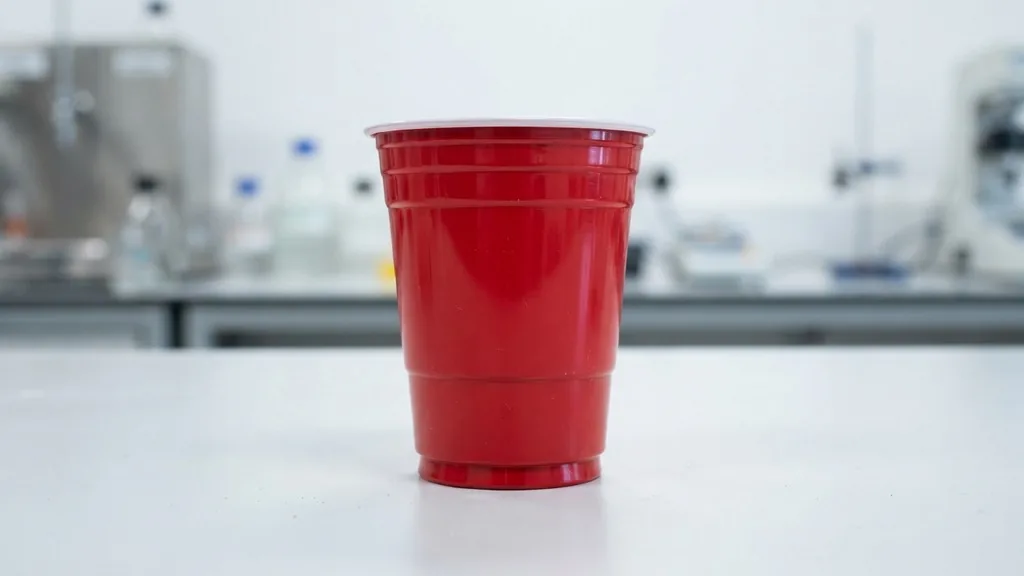
Whether you are hosting a party or simply looking for a quick container to heat up a beverage, you might find yourself wondering, can you microwave red solo cups? The short answer is that most standard red solo cups are not designed for microwave use.
While they are convenient for serving cold drinks at social gatherings, exposing these specific plastic containers to high heat can lead to structural failure, melting, and potential chemical leaching. Understanding the material science behind these iconic party staples is essential for maintaining kitchen safety and avoiding unnecessary messes or health risks.
Understanding the Material Composition of Solo Cups
To grasp why heating these cups is generally a bad idea, we must first examine what they are actually made of. The classic red solo cup is primarily constructed from polystyrene, a synthetic aromatic hydrocarbon polymer. Polystyrene is favored by manufacturers for its lightweight properties, rigidity, and cost-effectiveness.
It is an ideal material for cold beverage service because it provides a decent level of insulation and maintains its shape under room-temperature conditions. However, the molecular structure of polystyrene is not engineered to withstand the intense thermal energy generated by a microwave.
When you place a plastic cup in a microwave, the electromagnetic radiation causes the water molecules within the food or liquid inside to vibrate rapidly, generating heat through friction. If the container itself has a low heat deflection temperature—which is the case for standard polystyrene—the material will begin to soften, warp, or even melt.
Unlike microwave-safe plastics, which are typically made from polypropylene or specialized resins, red solo cups lack the heat-resistant additives required to maintain their integrity during this process. Using them for anything other than cold liquids effectively pushes the material beyond its physical limits.
The Risks of Heating Plastic in the Microwave
The primary risk associated with microwaving these cups is physical deformation, which can lead to hazardous spills. As the plastic reaches its glass transition temperature, it becomes pliable and loses its structural rigidity.
You might notice the cup collapsing under the weight of its contents, which could result in scalding hot liquid spilling onto your hands, the microwave turntable, or the interior of the appliance. Beyond the immediate mess, there is the concern of chemical migration.
When polystyrene is heated, there is a possibility that chemical additives or residual monomers may leach into the contents of the cup. While regulatory bodies have established safety standards for food-contact materials, these standards are almost exclusively based on the intended use of the product. Because solo cups are not intended for high-temperature applications, they have not been rigorously tested for safety under microwave conditions.
Therefore, heating them is a misuse of the product that could potentially introduce unwanted substances into your drink. If you are concerned about food safety and chemical exposure, it is always best to consult official FDA guidelines on food packaging materials to understand how different plastics react to heat.
Differentiating Between Microwave-Safe and Standard Plastic
Not all plastics are created equal, and the ability to withstand heat is the defining factor in determining whether a container is “microwave-safe.” Microwave-safe plastics are engineered to remain stable at high temperatures.
They are often marked with specific symbols or labels that indicate they have been tested for this purpose. When looking for a container to hold hot liquids like coffee or tea, you should prioritize materials like tempered glass, ceramic, or high-density food-grade silicone.
The following table compares the heat tolerance and suitability of various common kitchen materials:
| Material | Microwave Suitability | Notes |
|---|---|---|
| Polystyrene (Standard Red Cup) | Not Recommended | Softens and warps at high heat. |
| Polypropylene (PP) | Generally Safe | Often marked with a #5 recycling code. |
| Tempered Glass | Safe | Excellent thermal stability. |
| Ceramic (Unpainted) | Safe | Retains heat well; no chemical leaching. |
If you are ever in doubt, the safest rule of thumb is to check the bottom of the container. Most manufacturers print product information or recycling codes on the base of the item. If you do not see a “microwave-safe” label or icon, you should assume the item is not intended for use in an oven or microwave.
Addressing Common Misconceptions and Topical Gaps
There is a common belief that because a cup can hold a “warm” drink, it can also handle the microwave. This is a dangerous assumption. Pouring a warm liquid into a cup is a static thermal event; the cup is not being subjected to the constant, penetrating energy of microwave radiation.
When you microwave a cup, the energy is directed at the molecules of the material itself, which can cause “hot spots.” These spots can melt through the plastic even if the liquid inside hasn’t reached a boiling point.
Another misconception involves the use of “sauce cups” or smaller plastic containers often found at takeout restaurants. Consumers frequently ask if these smaller versions are more resilient. The answer remains no.
Small plastic sauce cups are typically made from even thinner polymers than standard cups, making them even more susceptible to melting. Furthermore, many of these items are designed for single-use, cold-service only.
They are not built for the rigors of reheating, and attempting to do so is a clear misuse of these products. Always prioritize safety by transferring your food or drink to a container explicitly labeled for microwave use.
Environmental Impact and Disposal Considerations
Beyond the safety risks, there is the issue of sustainability. Red solo cups are often discarded after a single use, contributing to a significant waste stream.
When you microwave them and cause them to melt or warp, they become even harder to process through traditional waste management systems. While many people believe that all plastic is recyclable, the reality is much more complex.
* Check with your local recycling center to see if they accept polystyrene (often marked with a #6 code).
* Ensure that any cups you do recycle are clean and free of food residue, which can contaminate entire batches of recyclables.
* Consider switching to reusable alternatives like stainless steel or glass tumblers for your daily needs.
* If you must use disposable options, try to source paper-based cups that are compostable or made from recycled content.
By being mindful of how we use and dispose of these items, we can reduce the strain on our recycling center infrastructure. Misusing plastic by melting it in the microwave not only wastes the material but also makes it nearly impossible to reclaim the plastic for future use.
Best Practices for Heating Liquids Safely
If you find yourself in a situation where you need to heat water or other liquids, there are several easy, safe, and effective methods that do not involve plastic cups. The most reliable way to heat liquid is to use a microwave-safe mug or bowl. Ceramic and glass are inert, meaning they won’t leach chemicals into your beverage regardless of how high the temperature gets.
If you are traveling or at an event where you only have access to plastic cups, it is better to heat the liquid in a safe container first and then pour it into your cup. However, be aware that even if the cup doesn’t melt immediately, the heat from the liquid can still cause the plastic to become flimsy. Always hold the cup from the bottom or use a sleeve to protect your hands from burns.
If you ever need check on the safety of a specific brand, look for the manufacturer’s website; they usually provide detailed usage instructions that explicitly state whether their items are suitable for microwave use. Please prioritize your health and the longevity of your appliances by avoiding the temptation to take shortcuts with single-use plastics.
Frequently Asked Questions
Can I microwave a red solo cup for just a few seconds?
Even short bursts of 10 to 30 seconds can cause structural damage to a red solo cup. Because these cups are made of polystyrene, they have a very low melting point and can warp or release chemicals into your drink almost immediately upon exposure to microwave energy.
What happens if I accidentally microwave a plastic cup?
If you have already microwaved a plastic cup, remove it from the microwave carefully using an oven mitt if necessary. Discard the cup and its contents immediately. If the plastic has melted onto the microwave turntable, let it cool completely before attempting to scrape it off with a plastic tool.
Are there any plastic cups that are safe to microwave?
Yes, some plastic cups are specifically designed for microwave use. Look for the “microwave-safe” icon on the bottom of the cup, which usually depicts a container with wavy lines. These are typically made from thicker, heat-resistant polymers like polypropylene, which are clearly labeled by the manufacturer.
Can I use a red solo cup for hot coffee?
It is not recommended to use a standard red solo cup for hot coffee. The heat from the coffee can cause the cup to lose its rigidity, making it prone to collapsing and spilling. For hot beverages, always use a ceramic mug or a cup specifically designed for hot liquids.


