

When you are standing in your kitchen, juggling a busy weeknight meal, the convenience of tossing a container directly into the microwave is unparalleled. Many of us have replaced our aging plastic storage containers with flexible, colorful alternatives, often wondering if the transition to these modern materials is truly a health-conscious choice. The question, is silicone microwave safe, is one that warrants a nuanced answer based on chemical composition and thermal stability.
In short, high-quality, food-grade silicone is generally considered safe for microwave use, provided it meets specific manufacturing standards. However, understanding why this material holds up under heat—and where potential pitfalls lie—is essential for any home cook who prioritizes safety and longevity in their kitchen tools.
The Chemical Composition of Food-Grade Silicone
To understand why silicone performs so well under heat, we must first look at its molecular architecture. Unlike traditional plastics, which are carbon-based polymers, silicone is a synthetic rubber-like material made from a combination of silicon (a natural element found in sand) and oxygen, often bonded with carbon and hydrogen.
This unique backbone creates a highly stable structure that is inherently resistant to temperature fluctuations. Because the silicon-oxygen bond is much stronger than the carbon-carbon bonds found in standard plastics, it does not easily break down when exposed to the intense energy waves of a microwave.
When you purchase kitchenware, the term food-grade silicone is the industry benchmark for safety. This designation indicates that the material has been manufactured to meet strict safety standards, ensuring it contains no fillers or hazardous additives. Manufacturers achieve this by using a cross-linking process that stabilizes the molecular chains, preventing the material from leaching chemicals into your food even when subjected to high heat.
This stands in stark contrast to cheaper, lower-quality silicone products that may contain plastic fillers, which can degrade or off-gas when heated. Consequently, the safety of your microwave experience depends heavily on the purity of the product you choose to purchase.
Why Silicone Withstands Microwave Radiation
The microwave oven works by emitting electromagnetic waves that cause polar molecules—primarily water—to vibrate rapidly. This vibration generates friction, which manifests as heat. Because silicone is a dielectric material, it does not absorb these microwaves in the same way that metal or certain polar plastics do.
Instead, it allows the energy to pass through or reflects it, while the food inside absorbs the energy. This is a critical distinction that makes microwave silicone a preferred material for steaming, heating, and even baking.
Furthermore, silicone possesses a low thermal conductivity, meaning it does not heat up as rapidly as glass or ceramic. While a ceramic bowl might become scorching hot after two minutes in the microwave, a silicone mold or lid will remain significantly cooler to the touch. This property makes it an excellent choice for handling hot items, although it is still important to exercise caution.
The structural integrity of the material remains intact at temperatures far exceeding those typically reached in a microwave, which usually hover around the boiling point of water. As long as you are using products specifically designed for kitchen use, the risk of melting or warping is virtually non-existent under normal operating conditions.
Differentiating Between High-Quality and Low-Grade Materials
Not all products labeled as silicone are created equal. A common issue in the consumer market is the presence of “fillers.” Some manufacturers reduce production costs by mixing silicone with plastic-based additives.
When these fillers are heated in a microwave, they can break down, potentially leaching unwanted compounds into your dinner. Identifying high-quality products requires a bit of vigilance.
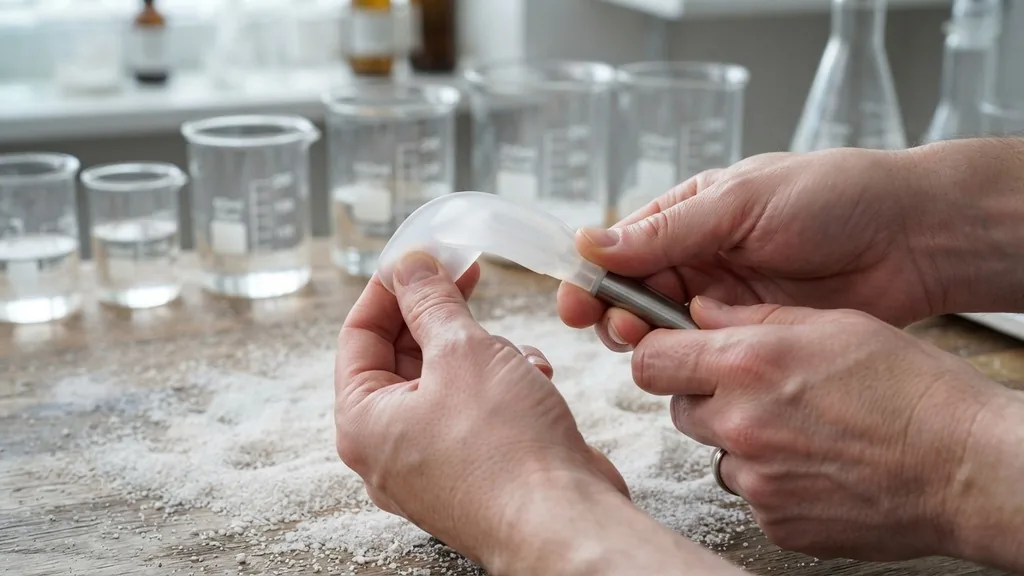
One common, albeit non-scientific, trick involves the “pinch test”: if you stretch a piece of silicone and see a white color appear, it often suggests the presence of fillers. Pure, high-grade silicone should retain its color regardless of how much it is stretched or twisted.
To further ensure your safety, always look for certifications from reputable organizations. The Food and Drug Administration provides guidance on what constitutes safe materials for food contact surfaces.
When a product is explicitly labeled as food-grade or FDA-approved, it signifies that the manufacturer has adhered to specific testing protocols to ensure the material does not transfer harmful substances into sustenance. When shopping, prioritize items that are transparent about their manufacturing processes and avoid “bargain-bin” silicone items that lack clear labeling or origin information, as these are the most likely to compromise your kitchen safety standards.
Comparing Silicone to Traditional Microwave Materials
When deciding whether to use silicone, glass, or plastic, it helps to look at the mechanical and thermal properties of each. The table below outlines how these materials generally stack up in a microwave environment.
| Material | Heat Resistance | Chemical Stability | Best Use Case |
|---|---|---|---|
| Food-Grade Silicone | High (Up to 450°F) | Excellent | Baking, steaming, storage |
| Borosilicate Glass | Very High | Inert | Reheating, long-term storage |
| Standard Plastic | Low to Moderate | Risk of Leaching | Short-term, low-heat heating |
| Ceramic | High | Inert | General reheating |
As indicated by the data, silicone sits in a unique position. It offers the flexibility and durability of plastic without the associated health risks of BPA or phthalates, provided it is high-grade.
While glass is arguably the most inert material, it lacks the flexibility that makes silicone molds and collapsible containers so convenient for modern kitchens. Choosing the right material often comes down to the specific task: glass for storage and high-heat cooking, and silicone for versatility and ease of handling.
Addressing Common Concerns: Toxins and Microplastics
A frequent concern among health-conscious consumers is whether silicone releases microplastics or toxins when heated. Because silicone is a synthetic elastomer rather than a plastic, it does not break down into microplastics in the same way that petroleum-based plastics do.
The molecular structure is largely resistant to the degradation processes that cause plastics to shed particles. In terms of toxins, the primary concern is not the silicone itself, but the potential for chemical additives used in cheap manufacturing.
When you heat pure silicone, you are not creating a chemical reaction that releases toxic fumes or residues. The material is essentially inert. However, it is important to note that if a product has been treated with non-stick coatings or dyes that are not food-safe, those secondary components could theoretically pose a risk.
This is why checking for “food-grade” or “platinum-cured” silicone is so important. Platinum-cured silicone is the gold standard, as it uses platinum as a catalyst during the curing process, resulting in a cleaner, more durable product that is less likely to contain residues or impurities that could migrate into your food.
Best Practices for Microwave Safety
To get the most out of your kitchenware while maintaining the highest level of safety, follow these practical guidelines for daily operation:
- Always verify that the item is labeled as microwave-safe. Do not assume all silicone products—such as those meant for baking or storage—are intended for high-heat microwave use.
- Avoid using metal utensils when stirring food inside silicone containers, as sharp edges can nick or tear the material, creating crevices where bacteria can accumulate.
- Clean your silicone containers thoroughly after each use. While silicone is generally dishwasher safe, food residue stuck in crevices can burn or char during subsequent microwave sessions, creating localized hot spots.
- Inspect your items regularly for signs of degradation, such as stickiness, discoloration, or cracks. If the material feels “gummy,” it is time to replace it.
- Use caution when removing items from the microwave. Even though silicone doesn’t conduct heat as well as ceramic, the steam trapped inside the food can be extremely hot and can scald you when you open the lid.
By adhering to these simple habits, you extend the lifespan of your kitchen tools and ensure that you are minimizing any potential risks. Silicone is a robust, versatile material, but like any tool, its effectiveness is dictated by how well you maintain and use it.
Topical Gaps: Silicone Sealants and Non-Kitchen Items
A common point of confusion arises when people encounter silicone products not specifically intended for culinary use—such as microwave-safe silicone sealants or repair adhesives. It is vital to distinguish between kitchen-grade silicone and industrial-grade silicone.
Industrial sealants often contain fungicides, solvents, and other chemical agents designed to prevent mold or promote curing in non-food environments. These substances are absolutely not meant for contact with food, let alone for being heated in a microwave.
Never use general-purpose silicone sealants to “repair” a cracked container or mold. Even if the label says it is heat-resistant, “heat-resistant” in an industrial context refers to temperature tolerance, not chemical safety for human consumption. Furthermore, some people wonder if they can repurpose silicone items found in other rooms of the house for kitchen use.
Unless an item is explicitly marked as food-grade, it should never be used to store or heat food. The manufacturing processes for industrial silicone are vastly different, and the risk of contamination is significant. Stick strictly to items clearly marketed for kitchen use to avoid unnecessary health risks.
The Future of Silicone in the Sustainable Kitchen
As more consumers move away from single-use plastics, silicone is becoming a cornerstone of the sustainable kitchen. Its durability means that a single set of silicone lids or containers can replace thousands of disposable plastic wraps and bags over its lifetime.
From an environmental perspective, the ability to reuse these products indefinitely is a massive win. Because silicone is highly resistant to heat, cold, and UV light, it does not degrade quickly in storage, further reducing the need for constant replacement.
Looking ahead, we can expect to see even more innovation in how silicone is integrated into our cooking routines. We are already seeing “smart” silicone products that change color when they reach a certain temperature, helping to prevent overheating and ensuring food safety.
As the industry moves toward more transparent manufacturing, the ability for consumers to verify the quality of their products will only improve. By choosing high-quality, food-grade silicone, you are not just making a safe choice for your immediate health—you are investing in a more durable and efficient way to manage your kitchen.
Frequently Asked Questions
Is it safe to microwave silicone lids?
Yes, high-quality, food-grade silicone lids are safe for microwave use. They are excellent for preventing splatters and retaining moisture. Always ensure the lid is properly vented to allow steam to escape, preventing a pressure buildup that could cause the container to pop or become difficult to open.
Does silicone release toxins when heated?
Pure, food-grade silicone does not release toxins when heated to microwave temperatures. The material is chemically inert and stable. However, low-quality silicone containing plastic fillers may degrade or release chemicals, which is why it is critical to purchase certified, food-grade products from reputable manufacturers.
Can I use silicone molds in the microwave?
You can absolutely use silicone molds in the microwave, provided they are made of food-grade material. They are frequently used for making microwave cakes or steaming individual portions. Just ensure the mold is placed on a microwave-safe plate for stability, as silicone is flexible and can be difficult to move when filled with hot food.
Are there any signs that silicone is not safe?
If your silicone item becomes sticky, develops a white residue that doesn’t wash off, or shows signs of cracking or crumbling, it may be deteriorating. Additionally, if the product emits a strong chemical odor when heated, discontinue use immediately, as these are signs of poor-quality material or improper additives.


