

When you find yourself staring at a container of leftover takeout or needing a quick side dish, the question of whether you can microwave rice is one of the most common kitchen dilemmas. The short answer is yes, you absolutely can microwave rice, both for reheating leftovers and for cooking raw grains from scratch.
However, the process requires specific techniques to ensure the texture remains palatable and, more importantly, that the food remains safe to consume. Because rice is a common source of foodborne illness if handled improperly, understanding the mechanics of moisture retention and temperature management is essential for any home cook looking to save time without compromising quality.
The Science of Reheating Rice Safely
The primary concern when dealing with cooked rice is not necessarily the microwave itself, but the biological risks associated with the grain. Raw rice often contains spores of Bacillus cereus, a bacterium that produces toxins.
These spores can survive the initial cooking process. If cooked rice is left at room temperature for too long, these spores can germinate and produce toxins that are resistant to heat, meaning even a thorough reheating process might not make the rice safe if it was already contaminated by poor storage.
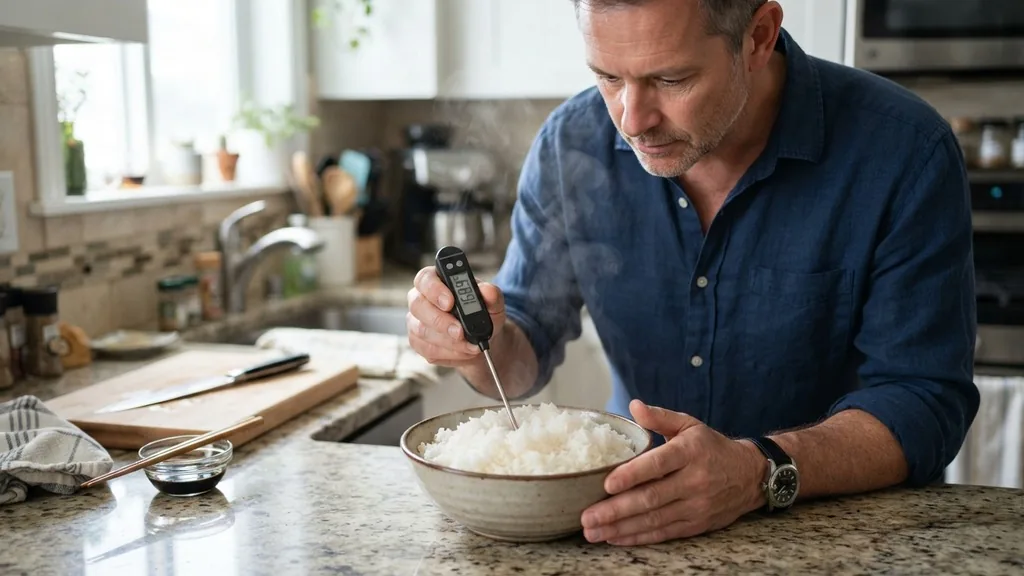
To mitigate these risks, always ensure that your rice is cooled quickly after its initial cooking and placed in the refrigerator within two hours. When you are ready to use your microwave to reheat it, the goal is to bring the internal temperature of the rice to at least 165°F (74°C). Reheating rice in a microwave is effective because the machine uses electromagnetic waves to excite water molecules, which generates heat throughout the food.
To ensure even heating, it is vital to add a small amount of liquid—usually a splash of water or a damp paper towel—to create steam. This steam prevents the rice from drying out, turning hard, or becoming crunchy during the process. If you notice the rice has clumped together, break it up with a fork before and during the heating cycle to ensure no cold spots remain where bacteria could potentially survive.
Best Practices for Cooking Raw Rice in the Microwave
If you do not have access to a traditional pot or a dedicated rice cooker, the microwave can serve as a surprisingly efficient vessel for cooking raw rice. The key to achieving perfect results lies in the ratio of water to grain and the use of a vessel large enough to prevent boil-overs.
Because microwaves heat unevenly compared to a stovetop, using a deep, microwave-safe bowl is crucial. The rice will expand significantly, so choose a container with at least double the capacity of your combined ingredients to contain the starchy foam that often develops during the boiling phase.
When preparing white rice, such as long-grain, basmati, or jasmine, a standard ratio is approximately 1.5 to 2 cups of water for every 1 cup of rice. Before you start, rinse the rice thoroughly in a fine-mesh sieve until the water runs clear. This step is critical; it removes excess surface starch that would otherwise turn the microwave-cooked rice into a gummy, sticky mess.
Once rinsed, place the rice and water in your bowl, cover it with a microwave-safe lid or a vented plate, and begin the cooking cycle. Start with a high-power burst to bring the water to a boil, then reduce the power level to medium or low to allow the rice to simmer. This dual-temperature approach mimics the gentle heat of a stovetop, ensuring the grains cook through without burning the bottom layer.
Comparing Microwave Methods to Traditional Cooking
While many culinary enthusiasts swear by the stovetop method or the convenience of a rice cooker, the microwave method offers unique advantages, particularly for smaller portions. The following table highlights how these different methods compare in terms of preparation time, texture, and ease of use for the average home cook.
| Method | Time Requirement | Texture Quality | Best For |
|---|---|---|---|
| Stovetop Pot | 18-25 minutes | Consistent, fluffy | Large family meals |
| Rice Cooker | 30-45 minutes | Perfect, uniform | Daily users |
| Microwave | 12-18 minutes | Variable/Soft | Single servings/Leftovers |
As demonstrated by the data, the microwave is significantly faster than both the stovetop and the electric rice cooker. However, the texture can be more variable depending on the specific model of your microwave and the type of rice being used.
Jasmine rice, for example, is more delicate and tends to become mushy if over-microwaved, whereas parboiled or converted rice holds up exceptionally well to the intense, rapid heat of microwave cooking. If you are interested in the broader nutritional context of rice preparation, you can consult the official resources provided by the United States Department of Agriculture to understand how different cooking methods impact the retention of vitamins and minerals.
Common Mistakes to Avoid When Microwaving Rice
Even experienced cooks can encounter issues when using a microwave for rice. One of the most frequent errors is failing to provide adequate hydration. Unlike a pot that is tightly sealed, a microwave can evaporate moisture rapidly if the container is not properly covered.
If you find your rice is dry or scorched, it is likely because the steam escaped too quickly. Always ensure you are using a lid that allows for minimal venting; a completely airtight seal can cause the container to build up too much pressure, while no cover at all will lead to moisture loss.
Another common pitfall is the attempt to cook massive quantities in one go. Microwaves work best with smaller batches. Attempting to cook 4 or 5 cups of rice in a standard microwave often results in uneven cooking, where the edges of the bowl are overcooked and dry, while the center remains raw and crunchy.
If you have a large family, it is far better to cook in batches or revert to a traditional pot. Additionally, avoid the temptation to skip the “resting” phase.
After the microwave beeps, let the rice sit covered for at least 5 minutes. This allows the residual steam to redistribute throughout the grains, resulting in a much fluffier texture that is significantly more pleasant to eat.
Addressing Topical Gaps: Why Microwave Rice Sometimes Gets Hard
A common point of confusion for users is why microwaved rice sometimes turns into a hard, rubbery brick rather than the soft, fluffy grains expected. This phenomenon is caused by a process called retrogradation.
As rice cools, the starch molecules, specifically amylose, begin to recrystallize, effectively locking the grain into a rigid structure. When you reheat this rice in the microwave, the rapid heating can sometimes drive off the remaining moisture before the starch has a chance to fully soften, leading to that unappealing, chewy texture.
To combat this, you must treat the reheating process as a rehydration process. Simply putting a bowl of cold rice in the microwave is a recipe for failure. Instead, add a tablespoon of water per cup of rice and cover the bowl tightly with a microwave-safe cover or a damp paper towel.
The goal is to create a localized steam chamber. The steam will penetrate the crystalline structure of the cooled starch, softening it back to a palatable consistency. If the rice is still hard after the first minute, do not simply add more time.
Add a tiny bit more water, stir the rice to distribute the moisture, and heat in 30-second increments. This incremental approach prevents the rice from being “fried” by the microwave’s radiation, which is what happens when the moisture is completely depleted.
Essential Tips for Success with Different Rice Varieties
Not all rice varieties behave the same way under the influence of microwave energy. Understanding the specific needs of your chosen grain will drastically improve your results.
- Jasmine Rice: This variety has a higher moisture content and a floral aroma. It requires slightly less water than standard long-grain white rice to avoid becoming mushy.
- Basmati Rice: Known for its long, slender grains, basmati benefits from a quick soak in water for 15 minutes before microwaving to ensure even hydration and prevent breakage.
- Brown Rice: Because brown rice retains its bran layer, it takes significantly longer to cook. You will need to increase the water ratio and extend the cooking time, often needing 20-30 minutes of total cook time, including resting.
- Parboiled Rice: This is the most forgiving variety for microwave cooking because the starch has already been partially gelatinized during the initial processing. It is nearly impossible to ruin.
- Sushi/Short-Grain Rice: This rice is very sticky. Be careful to use a slightly larger bowl, as it tends to foam and bubble over the sides more aggressively than long-grain varieties.
By tailoring your approach to the specific grain, you move beyond the “one size fits all” mentality and start cooking with intent. Whether you are using a basic microwave or a high-end model, the principles of moisture management remain the same.
Always prioritize safety by monitoring your cooking times, ensuring the rice is heated to a safe internal temperature, and never letting cooked rice sit out at room temperature for extended periods. With these practices, you can effectively use your microwave to prepare or reheat rice that tastes almost as good as if it had been cooked in a traditional setting.
Ultimately, the microwave is a versatile tool that, when understood correctly, can save you significant time in the kitchen. By focusing on moisture, proper vessel selection, and safe handling practices, you can confidently integrate the microwave into your rice-cooking routine.
Whether you are a busy professional needing a quick lunch or someone looking to repurpose leftovers, the microwave is a reliable ally, provided you respect the science behind the grain. Always remember that the quality of your final dish is a direct result of the effort you put into the preparation—even when that preparation happens in just a few minutes inside a microwave oven.
Frequently Asked Questions
Is it safe to reheat rice in the microwave?
Yes, provided you handle the rice correctly. Ensure it was cooled and refrigerated promptly after the initial cooking. When reheating, make sure the rice reaches an internal temperature of 165°F (74°C) throughout to kill any bacteria, and add a splash of water to maintain proper moisture levels.
How long should I microwave rice to reheat it?
For a standard single-serving portion, 1 to 2 minutes on high power is usually sufficient. However, always add a tablespoon of water and cover the container to create steam. If the rice is still cold in the center, stir it and heat in additional 30-second intervals.
Can I cook raw rice in the microwave for more than one person?
You can, but it is better to cook in smaller batches. Microwaves struggle to heat large volumes of rice evenly, which can lead to burnt edges and raw centers. If you need to feed multiple people, use a larger, deep microwave-safe bowl and adjust your cooking time accordingly.
Why does my microwave rice sometimes taste crunchy?
Crunchy or hard rice indicates that the grain has lost too much moisture during the heating process. This often happens if the container was not covered or if there was insufficient water. Always use a lid or a damp paper towel to trap steam and rehydrate the grains.


