

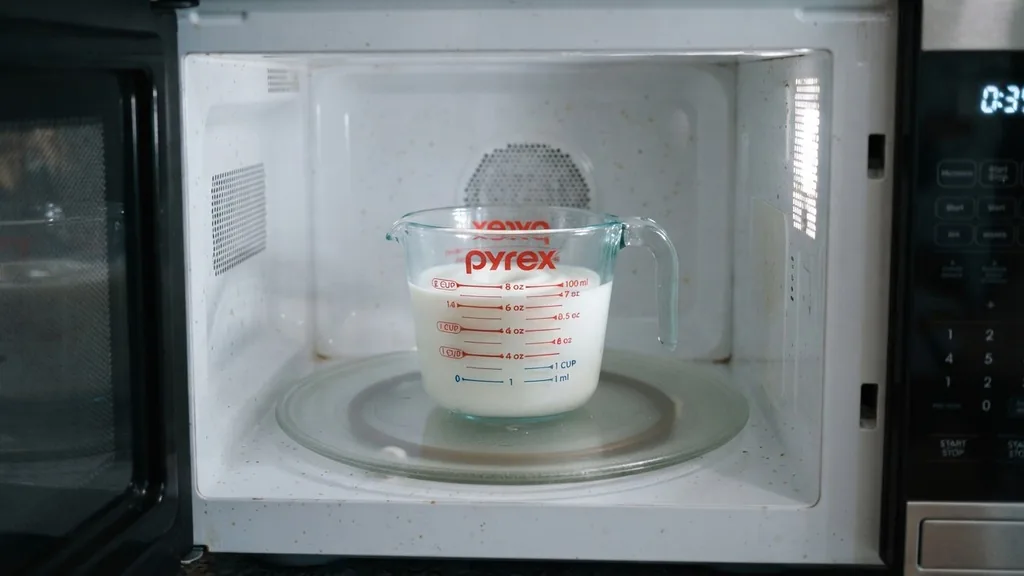
Heating dairy in a kitchen appliance is a common daily task, yet many people remain uncertain about whether they can microwave milk without compromising its nutritional profile or texture. The short answer is yes, you can microwave milk, but it requires a careful approach to avoid uneven heating, skin formation, or accidental boil-overs. When done correctly, the microwave is an incredibly efficient tool for warming milk for your morning coffee, a soothing mug of cocoa, or even for culinary applications like baking or making porridge.
The primary concern when using a microwave for dairy products is the way the appliance interacts with the liquid. Unlike a stovetop method, which uses conductive heat through the bottom of a pan, a microwave uses electromagnetic radiation to excite water molecules within the liquid.
This process can sometimes lead to localized overheating, where some parts of the milk become scorching hot while others remain cool. By understanding how to manage power levels and heating times, you can effectively use this method for a variety of purposes.
The Science of Heating Milk in a Microwave
When you place a container of milk into the microwave, the electromagnetic waves cause the polar water molecules to rotate rapidly, generating heat through friction. This is a highly efficient way to reach a desired temperature, but it lacks the gentle, consistent distribution of heat provided by a traditional saucepan. Because milk is a complex emulsion of water, fats, proteins, and sugars, it reacts differently to intense, concentrated heat than plain water does.
Proteins in milk, specifically whey and casein, are highly sensitive to temperature changes. When milk is heated too quickly or reaches a temperature near boiling, these proteins begin to denature and coagulate. This is what causes that thin, rubbery “skin” to form on the surface of the liquid.
If you heat the milk for too long, you might also experience the Maillard reaction, where the lactose (milk sugar) reacts with proteins to create a slightly toasted or caramelized flavor. While this can be pleasant in some contexts, it is often undesirable if you are trying to maintain the neutral, creamy profile of fresh milk.
To mitigate these issues, the most effective technique involves using lower power settings and shorter intervals. By heating the milk in 15 to 30-second bursts and stirring in between, you redistribute the heat throughout the vessel. This simple act of agitation prevents “hot spots” and ensures that the temperature rises uniformly, which is crucial for achieving the perfect consistency for drinks like hot chocolate or lattes.
Best Practices for Safety and Texture
Safety is paramount when using kitchen appliances, particularly when dealing with liquids that can reach high temperatures quickly. One of the most common mistakes is leaving milk in the microwave for too long, which results in the liquid bubbling over the sides of the container. This happens because the milk reaches its boiling point rapidly and the steam trapped beneath the surface tension causes it to expand and spill.
To prevent this, always ensure you are using a microwave-safe container that provides enough “headroom.” If you are heating a cup of milk, choose a mug that is at least twice the volume of the liquid. This provides a buffer zone for the milk to expand without making a mess.
Furthermore, always use a spoon to stir the liquid at regular intervals. This simple step serves two purposes: it helps monitor the temperature and prevents the formation of a film on the surface.
If you are concerned about the nutritional integrity of the milk, rest assured that short-term exposure to microwave radiation does not significantly degrade the vitamins or minerals in the dairy. According to information provided by the U.S.
Food and Drug Administration, microwave heating is generally safe for food preparation, provided that the heating is done in a way that avoids dangerous hot spots that could cause burns. Always test the temperature with a clean spoon or by dipping a small amount to ensure it is at a comfortable level before consuming.
Microwaving Milk for Different Culinary Uses
The method you choose often depends on what you are making. Heating milk for a cup of coffee differs significantly from preparing a base for a béchamel sauce or warming milk for a bedtime drink. Understanding these nuances allows you to tailor your approach for the best results.
For beverages, the goal is typically to reach a temperature that is warm but not scalding. If you are making hot chocolate, you want to warm the milk enough to dissolve cocoa powder or melt chocolate chips, but you do not want to boil it.
If the milk boils, the proteins will separate, and the texture will become grainy or gritty. By keeping the microwave at 50% power, you can heat the milk gently, allowing the chocolate to melt into a smooth, emulsified liquid without damaging the milk proteins.
For baking or cooking applications where you might need to scald milk, the microwave can actually be a time-saver. Scalding is often required to deactivate enzymes that can interfere with yeast or to ensure ingredients melt properly.
In this case, you can heat the milk until small bubbles appear around the edges of the container—this is the visual cue that you have reached the desired temperature. However, be vigilant, as the transition from “scalded” to “boiled over” happens in a matter of seconds.
| Usage Scenario | Recommended Power Level | Estimated Time (8oz) |
|---|---|---|
| Warm milk for drinking | 50% – 70% | 45–60 seconds |
| Hot chocolate base | 50% | 60–90 seconds |
| Scalding for baking | 100% | 90–120 seconds |
| Oatmeal/Cereal prep | 70% | 60–75 seconds |
Common Pitfalls and How to Avoid Them
Even with the best intentions, it is easy to make mistakes when using a microwave for dairy. One of the most common issues is the “superheating” phenomenon. This occurs when a liquid is heated in a very smooth, clean container, preventing the formation of bubbles.
The liquid can become hotter than its boiling point without actually boiling. When you move the container or add an ingredient like sugar or a spoon, the liquid can suddenly erupt, potentially causing severe burns.
To avoid this, always place a non-metallic object in the container, such as a wooden stir stick, to provide a surface for bubbles to form. Additionally, avoid using containers with scratches or chips, as these can harbor bacteria or cause uneven heating patterns. If you find that your milk consistently comes out with a “cooked” or “burnt” flavor, it is a clear sign that the power level is too high or the heating duration is too long for the volume of milk you are processing.
Another frequent oversight is neglecting to cover the container. While you don’t need to seal it tightly, placing a microwave-safe plate or a specialized cover over the mug can help retain moisture and prevent the milk from drying out on the surface.
This also traps heat more efficiently, allowing you to use less time and energy to reach your target temperature. If you are heating milk for a child, always stir it thoroughly and let it sit for a full minute to allow the heat to stabilize before serving.
Why Stovetop Is Sometimes Preferred
While the microwave is convenient, there are instances where the stovetop method remains superior. If you are preparing a large volume of milk—such as for a batch of hot chocolate for a group or for making yogurt—a saucepan on the stove provides better control. The wider surface area of a pan allows for more even heat distribution, and you can visually inspect the milk continuously.
On the stovetop, you have the ability to whisk the milk constantly, which incorporates air and creates a light, frothy texture that is difficult to replicate in a microwave. Furthermore, if you are working with delicate ingredients that require precise temperature control, such as tempering eggs for a custard, the gradual heat increase of a stovetop is much safer.
The microwave, by contrast, is a tool of convenience and speed. It is best used for individual servings or quick tasks where the slight loss of texture is an acceptable trade-off for the time saved.
If you find yourself frequently needing to heat milk, consider investing in a milk frother or a dedicated milk warmer. These appliances are designed specifically for the properties of dairy and will consistently produce the perfect temperature without the risk of scorching or boiling over. However, for the occasional cup of cocoa or a quick splash of warm milk in your coffee, the microwave remains an perfectly acceptable and efficient solution.
Frequently Asked Questions About Heating Milk
Is it safe to microwave milk in a glass or plastic container?
Yes, you can use glass or ceramic mugs that are labeled as microwave-safe. Avoid using thin, cheap plastic containers, as they can warp or leach chemicals into the milk when heated. Always check the bottom of your container for the “microwave-safe” symbol to ensure it can withstand the heat.
Why does my milk form a skin when I microwave it?
The skin is caused by the evaporation of water from the surface, which concentrates the proteins and fats. As these proteins denature, they create a thin, gel-like layer. You can prevent this by covering the container or by stirring the milk halfway through the heating process to break the surface tension.
Can I microwave milk for a baby’s bottle?
It is generally discouraged to microwave milk or formula for an infant. Microwaves heat unevenly, creating “hot spots” that can burn a baby’s sensitive mouth even if the bottle feels cool on the outside. It is much safer to use a warm water bath to heat a bottle to the appropriate temperature.
How do I stop milk from boiling over in the microwave?
The best way to prevent boil-overs is to use a container that is significantly larger than the volume of milk you are heating. Additionally, use a lower power setting (50-70%) and heat the milk in short, 30-second increments, stirring after each cycle to ensure the heat is evenly distributed throughout the liquid.
Does microwaving change the nutritional value of milk?
Microwaving is a safe way to heat milk and does not significantly alter its nutritional content. While extreme, prolonged heat can cause minor degradation of heat-sensitive vitamins, the short duration required to warm milk in a microwave is generally not enough to cause any meaningful loss of nutrients compared to other cooking methods.


