

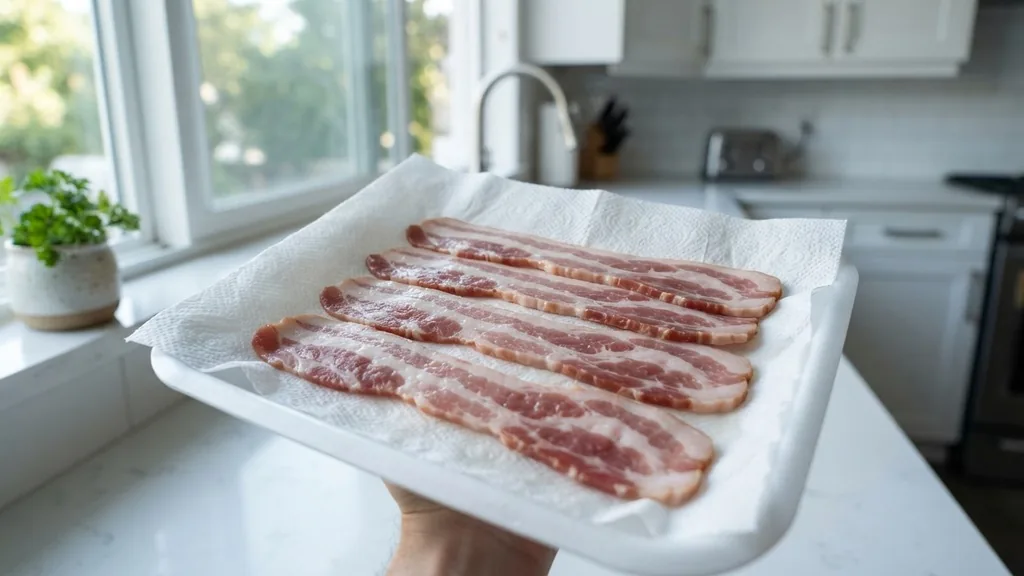
Yes, you can cook bacon in the microwave, and for many home cooks, it is the most efficient way to achieve a delicious, breakfast-ready result without the lingering mess of stovetop frying. While traditionalists often swear by the cast-iron skillet, the microwave method has evolved significantly, turning what was once a soggy, uneven gamble into a reliable technique for perfectly crispy strips. By understanding how to manage the fat rendering and moisture evaporation process, you can achieve results that rival pan-frying while saving significant time during busy mornings.
The Science Behind Microwave Bacon Cooking
At its core, the cooking process for cured pork products relies on the rapid heating of water molecules within the meat. When you place slices bacon into a microwave, the electromagnetic waves cause the water molecules to vibrate at an incredibly high frequency.
This friction generates heat, which in turn causes the fat to render and the muscle fibers to tighten. Unlike a skillet, which applies conductive heat from the bottom up, the microwave provides a more volumetric heating approach.
The primary challenge with the microwave is moisture management. As the bacon heats, it releases steam and liquid fat. If this moisture is not managed, the bacon essentially steams in its own grease, leading to a chewy or rubbery texture rather than the desired crunch.
This is why the use of absorbent materials is so critical. By placing the bacon between layers of paper towels, you create a moisture-wicking barrier that pulls excess grease away from the meat while allowing the steam to escape.
This allows the bacon to “fry” in the remaining hot fat on the towel’s surface, mimicking the Maillard reaction that occurs in a pan. The result is a satisfyingly crunchy strip that retains its savory, smoky flavor without the hassle of splatter-cleaning your entire stovetop.
Step-by-Step Method for Perfect Results
To achieve the best possible texture, consistency is key. Whether you are cooking four slices or a full pack, the preparation steps remain largely the same. Start by laying out a large sheet of paper towel on a microwave-safe plate.
Arrange the bacon in a single layer, ensuring that no pieces overlap. Overlapping prevents even heat distribution and results in unevenly cooked segments where some parts are burnt while others remain raw.
Once arranged, cover the bacon with another sheet of paper towel. This top layer is vital, as it prevents grease from splattering onto the walls of your appliance and helps maintain a consistent internal temperature. For most standard microwaves, cooking times range between 45 to 60 seconds per slice on high power.
However, microwaves vary wildly in wattage; a 1200-watt model will cook significantly faster than an 800-watt unit. Start with a conservative time estimate and check the progress. If the bacon isn’t quite at your preferred level of crispiness, add 15-second intervals.
Always handle the plate with care, as the glass can become extremely hot due to the boiling grease trapped in the paper towels. You can find more information on food safety and handling at the USDA Food Safety and Inspection Service for guidelines on proper meat storage and temperature.
Comparing Cooking Techniques: Microwave vs. Skillet
When deciding between methods, it is helpful to look at the trade-offs regarding time, texture, and cleanup. Many home cooks prefer the skillet for the “fried” flavor profile, but the microwave offers distinct advantages for those living in smaller spaces or those who need to prepare a meal quickly.
| Feature | Microwave Method | Stovetop Skillet |
|---|---|---|
| Cooking Time | Fast (3-5 minutes) | Moderate (10-15 minutes) |
| Cleanup | Minimal (plate + paper) | High (grease splatter) |
| Texture | Consistently crispy | Deeply fried/caramelized |
| Attention Required | Low (set and walk away) | High (constant flipping) |
The table above illustrates why the microwave bacon approach is often favored for utility. While the skillet might provide a more intense browning effect due to direct contact with the hot metal, the microwave is far superior for preventing messy kitchen counters. If you value your time and want to avoid the tedious task of scrubbing grease off your backsplash, the microwave is the clear winner.
Addressing Common Hurdles and Topical Gaps
One of the most frequent questions involves whether it is possible to achieve crispiness without using paper towels. While you can use a microwave-safe bacon tray or a rack designed to elevate the meat, these tools are essentially doing the same job as the paper—keeping the bacon out of the pooled grease. If you attempt to cook bacon directly on a plate without any barrier, the bottom of the strips will soak in the rendered fat, resulting in a soggy, unappealing texture.
Another common concern is whether you can cook bacon from a frozen state. The answer is yes, though it requires patience. Because frozen bacon is essentially a solid block of ice and meat, you must defrost it gently.
Use the microwave’s defrost setting for 30-second intervals until the slices can be separated. Once separated, you can proceed with the standard cooking method. Never try to force the strips apart while they are frozen, as this will tear the meat and lead to uneven cooking.
Additionally, if you find your microwave leaves “cold spots” in the center of the plate, try arranging your bacon in a circular pattern around the edge of the plate rather than a straight line. This allows the turntable to move the meat through the most active areas of the electromagnetic field.
Safety and Maintenance Considerations
Safety is paramount when using high heat in a microwave. Because bacon releases a significant amount of hot liquid fat, the plate can reach temperatures that could lead to thermal shock or minor burns. Always use oven mitts or a towel when removing the dish.
Furthermore, ensure your microwave interior is clean before cooking. Old food splatters on the ceiling of the microwave can ignite if hit by a stray spark, and while this is rare, it is a preventable risk.
Maintaining your microwave is also important for consistent results. A buildup of grease on the interior walls can absorb energy that should be going into your food, potentially leading to longer cooking times. Wipe down the interior with a damp cloth and a mild degreaser periodically.
If you notice a “burnt” smell after cooking, it is likely the paper towel catching a stray spark or the fat smoking. To mitigate this, ensure your paper towels are completely covering the bacon and not hanging off the edge of the plate where they might touch the microwave walls. Finally, remember that bacon microwave cooking is a high-fat activity; do not leave the appliance unattended for long periods, especially when testing a new timing setting for the first time.
Optimizing the Flavor Profile
While the microwave is often seen as a convenience tool, you can still elevate the flavor of your bacon. Since the microwave method is essentially a form of steam-frying, you can add small amounts of seasoning before you place the top layer of paper towel.
A light dusting of black pepper, brown sugar, or even a hint of maple syrup can infuse the meat as it cooks. Because the microwave is a closed system, these flavors tend to adhere well to the surface of the meat.
It is also worth noting that the thickness of the bacon affects the timing significantly. Thick-cut bacon will require more minutes of cooking than standard-cut strips. If you are mixing varieties on the same plate, the thinner pieces will likely finish first.
Remove the finished pieces as they reach your desired level of crispness and continue cooking the rest. This “staggered” approach is the best way to ensure every strip is perfect regardless of its original thickness. By viewing the microwave not just as a quick-fix tool, but as a controlled heating chamber, you can master the art of the perfect, stress-free breakfast.
Frequently Asked Questions
Can I cook bacon in the microwave without paper towels?
Technically, yes, but it is not recommended. Without paper towels to absorb the rendered fat, the bacon will cook in a pool of its own grease, leading to a chewy or soggy texture. Using a microwave-safe rack or bacon tray is a better alternative if you are out of towels.
What is the best way to prevent the microwave from getting dirty?
Always use a top layer of paper towel over your bacon strips. This acts as a splatter guard, catching the popping grease that would otherwise coat the interior walls of your microwave. Additionally, ensure the plate is large enough to contain any runoff fat during the cooking process.
Is microwave bacon less healthy than pan-fried bacon?
The health profile is largely similar, as both methods involve rendering fat. However, the microwave method often results in less residual grease on the final product because the paper towels actively wick away the fat. This can result in a slightly lower calorie count per serving compared to pan-frying.
How do I know when the bacon is finished?
Bacon is done when it reaches your preferred level of crispiness. Keep in mind that bacon continues to firm up for about 30 to 60 seconds after you remove it from the microwave. If it looks slightly underdone, it will likely be perfect by the time you sit down to eat.


