

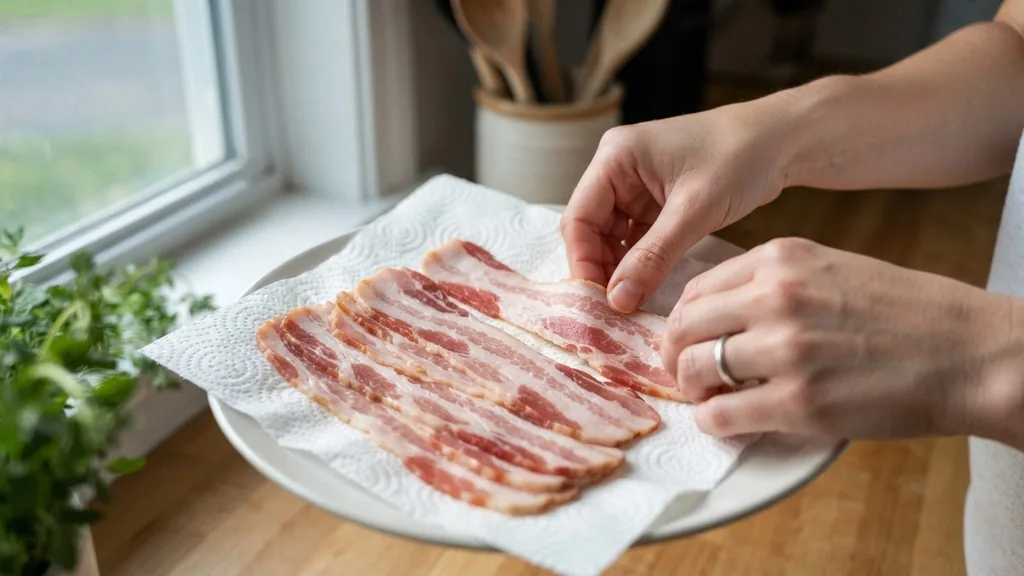
Cooking bacon in the microwave is a surprisingly efficient technique that many home cooks overlook in favor of traditional stovetop methods. While the frying pan remains the standard for achieving a specific type of crispy texture, learning how to microwave bacon offers a faster, cleaner, and more consistent way to prepare your morning protein without the persistent splattering of hot grease. When executed with the right technique, the results are remarkably similar to pan-fried strips, yielding a crisp, savory finish that fits perfectly into a busy morning routine.
Why Microwave Bacon is a Game Changer
The primary appeal of using a microwave for bacon is the significant reduction in cleanup time and kitchen mess. Traditional stovetop cooking involves managing a skillet, dealing with grease splatter that can cover your stove, and ensuring the heat remains low enough to prevent burning.
By contrast, a microwave setup creates a contained environment. When you properly layer your bacon, the microwave energy excites the water molecules in the meat, effectively rendering the fat without the need for additional oils or constant monitoring.
Efficiency is another major factor. A typical batch of bacon can be ready in just a few minutes, making it an ideal solution for those who want a quick breakfast or a fast topping for salads, sandwiches, or baked potatoes. Furthermore, the microwave method allows for a more uniform cooking process.
Because the heat is generated internally within the food, you avoid the common pitfalls of uneven browning often associated with thin-bottomed pans. Understanding the science of how your appliance interacts with the fatty content of the meat is the first step toward mastering this convenient culinary skill.
Essential Tools and Materials for Success
To achieve the best results, you need the right supplies. The most critical component is a high-quality paper towel. These serve two purposes: they absorb the excess fat rendered during the process and prevent grease from splashing onto the interior walls of your microwave.
You should always use microwave-safe plates, preferably ceramic or glass, to ensure even heat distribution. Avoid using thin plastic plates, as they can warp or melt when exposed to the high heat of rendered bacon fat over several minutes.
If you find yourself cooking bacon frequently, you might consider investing in a dedicated bacon microwave cooker. These devices are typically designed with ridges or a tray system that elevates the bacon, allowing the fat to drip away from the meat into a lower reservoir.
This mimics the effect of a wire rack in an oven, resulting in an even crispier product. However, for the occasional user, a simple flat plate and a few sheets of paper towel are more than sufficient to get the job done.
Step-by-Step Guide to Microwaving Bacon
To begin the process, arrange your bacon slices in a single layer on a microwave-safe plate lined with a double thickness of paper towel. It is vital that the slices do not overlap, as this will lead to uneven cooking and result in some parts being chewy while others are perfectly crisp.
Once the bacon is arranged, place another sheet of paper towel over the top. This top layer acts as a shield, catching any grease that might pop during the heating process.
The timing depends largely on the thickness of your bacon and the power level of your microwave. Generally, you should start with 45 to 60 seconds per slice. For an average package of standard-cut bacon, four slices usually take between three and four minutes.
If you prefer your bacon extra crispy, you can add 15-second intervals until you reach the desired texture. Always monitor the process closely during the final minute, as bacon can transition from perfectly cooked to burnt very quickly once the moisture has evaporated.
- Ensure the plate is large enough to accommodate the strips without them touching the sides of the microwave.
- Use at least two layers of paper towel on the bottom to soak up rendered fat.
- Always place a paper towel on top to prevent grease splatters inside the appliance.
- Allow the bacon to rest on the plate for at least one minute after cooking; it will continue to crisp up as it cools.
- If using a dedicated microwave rack, ensure the grease reservoir is clean to prevent smoke or odors.
Addressing Common Challenges and Texture Issues
Many people avoid microwaving bacon because they fear it will turn out rubbery or chewy. This texture issue is almost always a result of undercooking or overcrowding the plate. If the bacon remains too soft, it likely needs more time or better fat absorption.
The paper towels are not just an accessory; they are essential for removing the liquid fat that keeps the meat from getting crisp. If your paper towels become fully saturated during the cooking process, the bacon will effectively “fry” in its own grease, leading to a softer texture.
To ensure consistent crispness, pay attention to the fat-to-meat ratio of the bacon you purchase. Thicker-cut bacon requires more time, while thinner varieties are prone to burning if left for too long.
If you find that your microwave has “hot spots,” rotate the plate halfway through the cooking time. For those seeking a deeper dive into food safety and proper handling, the United States Department of Agriculture provides extensive resources on safe cooking temperatures and methods for various meat products.
Comparison of Cooking Methods
Choosing the right method depends on your specific needs, such as the quantity of bacon you are preparing and the amount of time you have available. While the microwave is superior for speed and cleanup, the oven is better for large batches, and the stovetop provides the most control over the browning process.
| Method | Cooking Time | Cleanup Difficulty | Best For |
|---|---|---|---|
| Microwave | 3–5 Minutes | Minimal | Individuals, Quick Breakfast |
| Stovetop | 8–12 Minutes | High | Texture Purists, Small Batches |
| Oven | 15–20 Minutes | Medium | Large Crowds, Uniformity |
As shown in the table above, the microwave is the clear winner for efficiency. While the stovetop allows for more nuance in how the fat renders, the microwave offers a reliable, low-effort alternative that yields perfectly acceptable results for most daily applications, such as breakfast sides or crumbled toppings.
Troubleshooting and Pro Tips for Better Flavor
If you want to elevate the flavor of your microwave-cooked bacon, consider seasoning it lightly before placing it in the machine. A tiny sprinkle of black pepper or even a touch of brown sugar can transform the strips into a gourmet treat. However, be cautious with dry rubs, as they can burn if the microwave energy is too intense.
Another secret to success is the resting period. When you remove the plate from the microwave, the bacon will look slightly limp.
This is normal. The residual heat will continue to cook the fat, and as the bacon cools, the texture will firm up significantly.
Another common issue is the smell of rendered fat lingering in the kitchen. Because the microwave is a closed system, the smell of bacon can sometimes become trapped. To mitigate this, leave the microwave door slightly ajar for a few minutes after you have removed your food.
This allows the steam and trapped air to escape, preventing the interior from holding onto the scent of grease. If the smell persists, placing a small bowl of white vinegar inside the microwave for a few minutes can help neutralize any odors.
Addressing Frequently Asked Questions
Can you cook bacon in the microwave without paper towels?
While possible, it is not recommended. Paper towels are essential for absorbing the rendered fat. Without them, the bacon will sit in a pool of grease, resulting in a soggy, unappealing texture. They also prevent messy grease splatters inside your microwave, making cleanup significantly easier.
How do you microwave bacon without it being rubbery?
The key to avoiding rubbery bacon is to ensure it is not overcrowded and to use enough paper towels to absorb the fat. If the bacon is still too soft, increase the cooking time in 15-second increments. Remember that the bacon will continue to crisp as it cools.
Can raw bacon be microwaved?
Yes, raw bacon is perfectly safe to cook in the microwave. In fact, it is the standard way to prepare it. Ensure you are using a microwave-safe plate and sufficient paper towels to manage the grease. Always monitor the cooking time to avoid over-drying the meat.
Is bacon cooked in the microwave any good?
Many people find that microwave-cooked bacon is surprisingly high in quality. While it may lack the specific seared edges of pan-fried bacon, it is consistently crispy, less greasy, and significantly faster to prepare. It is an excellent choice for busy mornings or when you need bacon for recipes.
Deep Dive: Maximizing Efficiency and Flavor
Beyond the basics, there are nuances to mastering the microwave that can make your bacon experience even better. For instance, consider the placement of your bacon on the plate.
By arranging the slices in a circular pattern rather than straight lines, you often get more even distribution of the microwave energy, which travels from the outside in. This small adjustment can prevent the middle strips from being undercooked while the outer strips become too brittle.
Furthermore, if you are cooking for a larger group, you can stack multiple layers of paper towels and bacon, though this requires careful monitoring. Place a paper towel, then bacon, then another paper towel, and repeat.
This “club sandwich” style of cooking works well, but you will need to increase your total time by about 30 to 45 seconds per layer. Be careful not to exceed three layers, as the moisture released from the bottom layer will need to travel through too many barriers, potentially causing the bacon to steam rather than crisp.
Maintaining your equipment is also a part of the process. If you notice your microwave is taking longer than usual to cook the same amount of bacon, it might be an indication that the magnetron is aging, or it could simply be a buildup of debris on the waveguide cover.
Cleaning the interior regularly ensures that the microwave functions at its peak efficiency, which is vital when rendering fats. By treating the microwave as a precision tool rather than just a reheating device, you unlock a world of culinary possibilities that go far beyond just melting cheese or popping popcorn.
Finally, consider the quality of the bacon itself. Thick-cut, applewood-smoked, or peppered varieties all react differently to microwave radiation. Thick-cut bacon will require a lower power setting for a longer duration to ensure the fat renders fully without burning the edges.
Experimenting with different types of bacon will help you find the perfect balance of time and power for your specific microwave model. Ultimately, the goal is to create a convenient, delicious, and consistent addition to your meals, and with these techniques, you can achieve that every single time you step into the kitchen.
The convenience of this method does not come at the expense of quality; rather, it allows for a modern, streamlined approach to traditional cooking that fits the fast-paced nature of contemporary life. Whether you are a busy professional or just someone who loves a quick, crispy breakfast, mastering this simple skill will undoubtedly improve your daily routine.


