

The short answer to whether you can microwave paper cups is that it depends entirely on the specific construction and coating of the vessel. While many people assume that because a cup is made of paper, it is inherently microwave-safe, the reality is significantly more complex due to the materials used to make the paper leak-proof and heat-resistant.
Placing the wrong type of cup in a high-powered appliance can lead to structural failure, the leaching of harmful chemicals, or even a fire hazard. Understanding the chemistry behind these disposable items is essential for anyone looking to safely warm up a beverage or snack.
The Anatomy of Paper Cups and Microwave Interaction
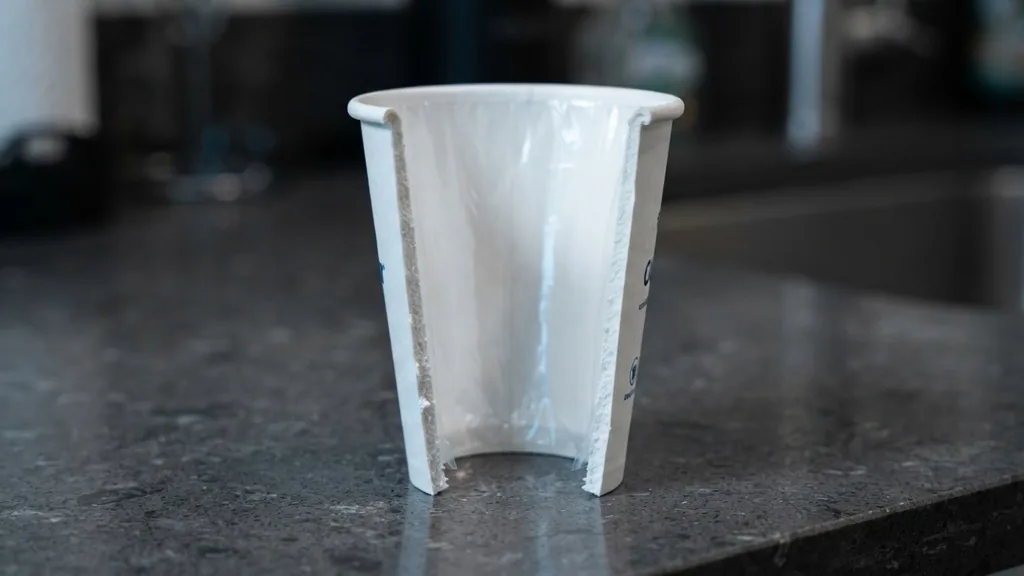
To understand why some cups fail in the microwave while others remain stable, you must first recognize that a modern paper cup is rarely just paper. Manufacturers treat these containers with various liners to ensure they can hold liquids without turning into a soggy mess.
The most common lining material used in mass-produced disposable items is a thin layer of polyethylene, a type of plastic. When you subject this plastic lining to the intense electromagnetic waves of a microwave, the behavior of the material changes based on its thickness and the quality of the bonding agent used during production.
In a microwave oven, energy is transferred directly to the water molecules within the food or drink inside the cup. As the liquid heats up, it transfers that thermal energy to the walls of the cup. If the cup is not designed to withstand high temperatures, the plastic lining can begin to soften or melt.
Once the integrity of the internal barrier is compromised, the paper substrate may absorb the liquid, leading to a sudden loss of structural support. This is why a cup that feels sturdy when filled with cold water might collapse entirely after thirty seconds of microwaving. Furthermore, if a cup contains metallic inks—common in decorative branding or custom paper designs—the microwave can induce electrical currents that lead to sparking, arcing, and a potential fire risk.
Distinguishing Between Microwave-Safe and Standard Disposables
Not all paper products are created equal, and the manufacturing process dictates how they react to thermal stress. A standard disposable cup you might find at a coffee shop or a fast-food chain is typically engineered for single-use consumption of hot liquids, but that does not automatically qualify it as microwave-safe. The industry standard for safety is often determined by independent testing organizations that verify whether the materials release volatile organic compounds or other chemicals when heated.
When you look for a container to use in your appliance, you should search for the “microwave-safe” label or symbol. This symbol usually looks like a microwave oven with wavy lines inside it. If you do not see this indicator, it is generally safer to assume the item is not intended for high-heat cycles.
Many manufacturers of premium paper bowls and cups now use specialized, high-heat-tolerant coatings that are free of harmful plasticizers. These are significantly different from the thin, wax-coated or plastic-coated cups used for basic water coolers or cold soda, which are prone to melting even at moderate temperatures. Always consider the duration of the heating process; a quick ten-second warm-up is vastly different from a two-minute boiling session, which could easily exceed the thermal threshold of a standard cup.
The Hidden Dangers of Leaching and Chemical Migration
One of the most pressing concerns regarding the use of paper cups in the microwave involves the potential for chemical migration. When you heat food or beverages, you increase the kinetic energy of the molecules involved, which can accelerate the process of chemical substances transferring from the container walls into the contents. If the cup is not explicitly rated for microwave use, the plastic liner or the adhesives used to seal the seam might break down at a molecular level.
Research into food-contact materials often highlights that exposure to high heat can cause certain polymers to migrate into the liquid. While these levels are often low in a single instance, frequent use of inappropriate containers can lead to the ingestion of microplastics or chemical additives that are not intended for human consumption. To stay informed on the latest standards regarding food contact surfaces, you can review the official guidelines provided by the U.S.
Food and Drug Administration regarding packaging materials and safety. By prioritizing containers that are certified for high-temperature use, you significantly reduce the risk of unwanted chemical exposure in your daily routine.
Comparing Alternatives: Paper, Glass, and Ceramic
When you are deciding which container to use for heating your food or drinks, comparing the properties of different materials can help you make a more informed decision. While paper cups offer the convenience of being disposable, they often lack the thermal stability found in more traditional kitchenware.
| Material Type | Microwave Suitability | Pros | Cons |
|---|---|---|---|
| Paper Cups | Limited/Conditional | Convenient, disposable | Risk of melting, structural failure |
| Glass (Borosilicate) | Excellent | No chemical leaching, durable | Heavy, can get very hot to touch |
| Ceramic | Excellent | Retains heat well, food-safe | Can crack if thermal shock occurs |
| Plastic (Non-Microwave Safe) | Poor | Cheap | Toxic fumes, melting, warping |
As indicated in the table, while paper cups serve a specific purpose, they are rarely the optimal choice for repeated or long-duration heating. Glass and ceramic are inert materials, meaning they do not react with the contents or release chemicals when subjected to electromagnetic energy. If you are frequently reheating coffee or soup, transitioning to a dedicated ceramic mug or a glass container will save you the trouble of checking for safety labels and ensure a higher level of long-term health safety.
Common Mistakes and How to Avoid Them
Even when people know they should be careful, common mistakes often lead to household mishaps. One of the most frequent errors is assuming that because a cup can hold “hot coffee” from a shop, it can handle being reheated in a microwave.
The temperature of coffee served in a shop is typically around 160 to 180 degrees Fahrenheit, which is well within the cup’s design limits for a short duration. However, a microwave can quickly bring the liquid to a rolling boil, exceeding 212 degrees Fahrenheit, which can compromise the structural bonds of the paper and the lining simultaneously.
Another mistake is using cups that have been customized with printed logos or decorative patterns. These inks are often not formulated for heat resistance. When the microwave heats the paper, the ink can blister, peel, or off-gas, potentially tainting the flavor of your drink or releasing harmful fumes into the air.
If you must use a paper cup, stick to plain, unprinted versions that are specifically marked for microwave use. Furthermore, never cover a paper cup with a plastic lid that is not microwave-safe, as these lids are notorious for warping and releasing chemicals when exposed to steam or direct contact with hot liquid.
Addressing Topical Gaps: Why Some Cups Fail
A frequently overlooked aspect of this topic is the role of moisture content in the paper itself. Paper is a hygroscopic material, meaning it naturally absorbs moisture from the air. In a microwave, this moisture turns into steam.
If a cup is poorly manufactured or has been stored in a humid environment, the sudden expansion of steam trapped within the fibers of the paper can lead to “popping” or minor structural ruptures. This is why even some thicker paper products might show signs of distress after a microwave cycle.
Additionally, the base of the cup is a critical failure point. The base is usually attached using an adhesive, and it is also the area that supports the weight of the liquid. If the adhesive is not heat-stable, the bottom can separate from the sides, leading to a catastrophic spill of hot liquid inside your appliance.
This is a common occurrence with lower-quality paper cups found at events or budget-oriented establishments. Always inspect the base of the cup for signs of weakness before heating. If you see any gap between the bottom seal and the sidewall, do not use it; the risk of a spill is high, and the cleanup of a sticky, sugary beverage from the depths of your microwave is a chore that is best avoided through simple prevention.
Frequently Asked Questions
- Can I microwave Starbucks paper cups? Starbucks cups are designed for hot liquids but are not explicitly tested or labeled for microwave use. While they might survive a quick 20-second warm-up, the plastic liner may begin to break down, and the heat-sensitive ink on the sleeve or cup could degrade. It is best to avoid it.
- Is it safe to heat up coffee in a paper cup for 30 seconds? For most standard coffee shop cups, a short 30-second burst is unlikely to cause an immediate fire, but it is not recommended. Repeated heating increases the risk of the plastic lining leaching chemicals into your coffee, which can affect both the safety and the taste of the beverage.
- Can Dixie paper cups be microwaved? Some lines of Dixie products are specifically manufactured to be microwave-safe. You must check the packaging of the specific product you purchased. If the box does not explicitly state that the cups are microwave-safe, you should assume they are intended for cold or room-temperature use only.
- What happens if I microwave a paper cup with metallic ink? Microwaving any item with metallic ink, foil, or decorative gold/silver accents causes arcing. The microwave’s electromagnetic waves interact with the metal, creating sparks that can damage the internal components of your microwave or ignite the paper cup itself, creating a significant fire hazard.
By maintaining a cautious approach to your kitchen habits, you protect both your appliances and your health. Whenever you are in doubt about a container, the safest path is to transfer your drink to a ceramic mug or a glass vessel.
This simple switch ensures that you are not dealing with potential chemical migration or the frustration of a leaking cup, allowing you to enjoy your warm beverage with total peace of mind. Remember that convenience should never come at the expense of safety, and a few seconds spent pouring your drink into a proper container is a small price to pay for a better experience.


