

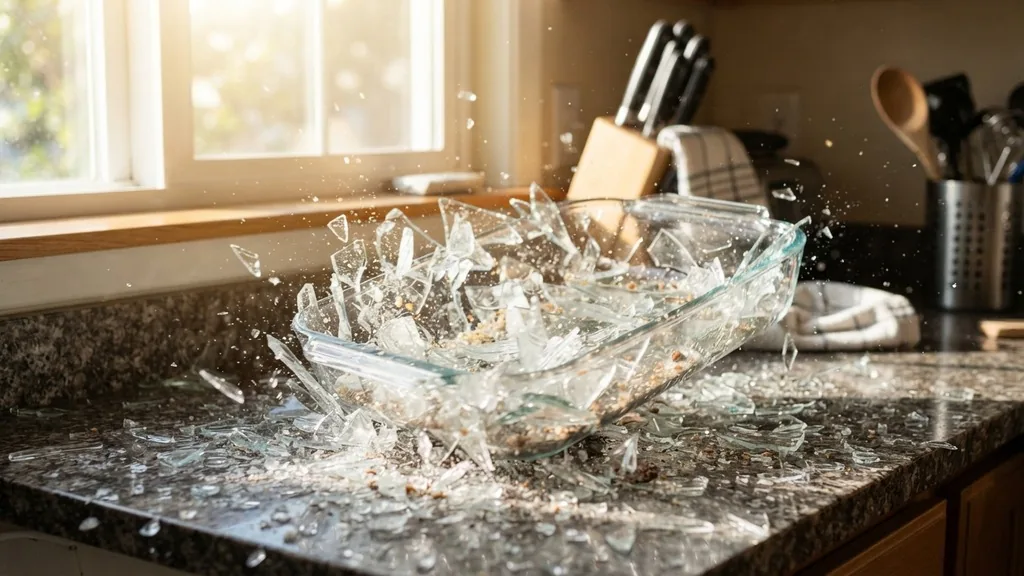
Determining whether your kitchenware can handle the intense environment of a modern appliance is a fundamental skill for any home cook. When you ask the question, is Pyrex microwave safe, the answer is generally a resounding yes, though it comes with critical nuances regarding the age of the glass, the specific type of product, and the conditions under which it is being used.
Pyrex has become a household name synonymous with durable kitchen glass, but the manufacturing evolution of the brand means that not all glass pieces are created equal. Understanding the material properties of your specific containers is essential for preventing thermal shock and ensuring your kitchen remains a safe environment.
The Science of Glassware and Thermal Shock
To understand why some glass is safer than others in high-heat environments, we must look at the physics of thermal shock. Thermal shock occurs when a material experiences a rapid change in temperature, causing different parts of the item to expand or contract at different rates.
If the internal stress generated by this temperature gradient exceeds the tensile strength of the glass, the piece will shatter. When you place a cold glass dish directly from the refrigerator into a hot microwave or oven, you are subjecting the material to this exact phenomenon.
Modern Pyrex, which is primarily manufactured from tempered soda-lime glass in the United States, is designed to be highly resistant to mechanical impact. However, it is fundamentally different from the borosilicate glass that was used in the original formulations of the brand. Borosilicate glass has a much lower coefficient of thermal expansion, making it significantly more resistant to rapid temperature changes.
While soda-lime glass is excellent for everyday use and is perfectly safe for microwave reheating, it is more susceptible to thermal shock than its borosilicate predecessor. Therefore, the core safety rule is to avoid extreme temperature swings, such as placing a frozen glass container directly into a high-powered microwave or a preheated oven.
Distinguishing Between Modern and Vintage Pyrex
A common point of confusion for collectors and home cooks involves the difference between vintage Pyrex and the contemporary products found on store shelves today. If you have inherited a set of mixing bowls or casserole dishes from a family member, you might be holding onto pieces that were manufactured decades ago.
In the United States, the transition from borosilicate glass to tempered soda-lime glass occurred several decades ago. While both types are generally microwave safe, they handle heat stress differently.
Identifying the age of your glass is often possible by examining the stamp on the bottom of the vessel. Vintage items often feature the name in all capital letters—PYREX—which often indicates the older, borosilicate formula. Modern items, which are manufactured to be more resistant to breakage from drops and bumps, often feature the name in lowercase letters—pyrex.
Regardless of the age, if you are unsure about the integrity of a piece, look for signs of damage. Any glass that has deep scratches, cracks, or chips should be retired from microwave use. These imperfections act as stress concentrators, drastically increasing the likelihood that the glass will fail under the rapid heating cycles of a microwave.
Safe Handling Practices for Microwave Use
When using Pyrex in the microwave, your primary goal is to ensure even heating and to prevent localized stress. Using a glass dish properly involves more than just putting it inside the appliance and hitting a button.
First, always ensure that your food is distributed evenly. If you are heating a dense, frozen block of food, the center may remain cold while the edges become extremely hot, creating a differential in temperature that can stress the glass.
Another crucial element is the use of lids. Many people wonder if they can leave the plastic lid on while heating. Most plastic lids provided with Pyrex containers are microwave-safe, but they are not airtight.
If you snap a lid on tight and microwave the contents, the buildup of steam can cause the lid to warp or even pop off, potentially splashing hot food inside your appliance. It is best practice to either remove the lid entirely or place it loosely on top of the dish to allow steam to escape. This prevents pressure buildup and ensures that your food heats safely without damaging the lid or the container.
| Action | Safety Status | Reasoning |
|---|---|---|
| Reheating food in microwave | Safe | Designed for standard reheating cycles. |
| Directly from freezer to microwave | Not Recommended | High risk of thermal shock and breakage. |
| Using with plastic lid on | Use Caution | Must be loose to vent steam. |
| Broiler/Stovetop use | Unsafe | Direct heat leads to uneven expansion. |
Addressing Common Myths and Misconceptions
There is a persistent myth that all glassware is interchangeable. Many users assume that because a glass item is heavy or thick, it must be suitable for any heat source. This is a dangerous assumption.
For example, while Pyrex is excellent for the microwave and conventional oven, it is strictly prohibited for use on the stovetop or under a broiler. The direct, intense, and uneven heat applied by a heating element or an open flame will almost certainly cause the glass to shatter.
Furthermore, many people confuse “microwave safe” with “heat-proof.” No glass is truly heat-proof; all glass has a breaking point. When you use a set of bowls for storage in the refrigerator, you must allow the glass to come closer to room temperature before subjecting it to the sudden energy boost of a microwave.
Even a few minutes on the counter can make a significant difference in the survival of the glass. Additionally, you should never use Pyrex in an air fryer unless the manufacturer has specifically labeled that piece as compatible with such high-heat, high-airflow environments. Most standard glass is not designed to handle the intense, rapid-cycling heat of an air fryer, which can lead to catastrophic failure.
The Role of Symbols and Manufacturer Guidelines
When in doubt, look for the symbols on the bottom of your dish. Most manufacturers include icons that indicate whether a piece is safe for the dishwasher, the oven, or the microwave.
If you see a microwave-safe symbol—typically a series of wavy lines inside a box—you can be confident that the manufacturer has tested the item for that specific use. However, the absence of a symbol does not necessarily mean an item is unsafe; it may simply mean it is an older piece from a time before these standardized labels were common.
If you are curious about the specific manufacturing standards for your region, you can review the official documentation provided by the brand. For those interested in the technical standards of safety and material composition, the National Institute of Standards and Technology provides extensive information on material testing and consumer safety standards that help govern how kitchen products are evaluated for heat resistance. Relying on these standardized tests is far more accurate than relying on anecdotal advice found on social media forums.
Topical Gaps: What Most Guides Miss
Many articles on this topic fail to address the nuance of “hidden” damage. One of the most significant risks to glass integrity is the accumulation of microscopic surface damage. Over years of use, glass undergoes a process of surface abrasion—even from something as simple as a scouring pad or a metal spoon.
These microscopic scratches are often invisible to the naked eye, but they serve as the initiation points for cracks during thermal expansion. If you have a glass dish that has been used for decades, it is statistically more likely to fail than a brand-new piece, not necessarily because the material has “aged,” but because the surface has been compromised by years of wear and tear.
Another overlooked aspect is the density of the food being heated. High-fat or high-sugar foods can reach temperatures well above the boiling point of water (212°F or 100°C) very quickly in a microwave. If you are heating a sugary sauce or a fatty casserole, the food itself can transfer enough heat to the glass walls to cause a localized hot spot.
This is why it is vital to stir your food periodically during the cooking process. Stirring redistributes the heat and prevents the food from creating a concentrated zone of extreme heat against the glass wall, which is a common but rarely discussed cause of microwave-related glass breakage.
Best Practices for Longevity and Safety
To maximize the lifespan of your glass kitchenware and ensure your safety, follow these established best practices for daily use:
- Inspect your glassware regularly for hairline fractures, deep scratches, or chips, especially around the rim.
- Allow refrigerated food to sit at room temperature for 15 to 20 minutes before placing the container in the microwave.
- Always use a microwave-safe cover, such as a paper towel or a loose-fitting lid, to prevent splatters that can cause uneven heating.
- Avoid using abrasive cleaners or metal scouring pads, which create the microscopic scratches that eventually lead to breakage.
- If a piece of glass has been dropped on a hard surface, retire it. Even if it does not look broken, the internal structure may have been compromised.
- When heating liquids, do not fill the container to the brim. Leave at least an inch of headspace to account for boiling and potential expansion.
By adhering to these guidelines, you can safely enjoy the convenience of microwave cooking without the fear of your glassware shattering. Pyrex remains a reliable staple in modern kitchens because it balances aesthetics, utility, and safety. When you treat the material with respect and acknowledge its physical limitations—specifically the avoidance of thermal shock and the importance of surface integrity—you can continue to use your favorite pieces for years to come.
Frequently Asked Questions
Can I put a glass dish in the microwave if it is cold?
It is generally unsafe to move a glass dish directly from the refrigerator or freezer to a microwave. The rapid transition from cold to hot causes thermal shock, which can lead the glass to shatter. Always let the dish reach room temperature before heating.
How do I know if my old Pyrex is safe for the microwave?
If the glass is free of cracks, chips, and deep scratches, it is likely safe for microwave use. However, vintage pieces are often made of borosilicate glass, which is more resistant to thermal shock than modern soda-lime glass, making them quite durable for standard kitchen tasks.
Can I use the plastic lid in the microwave?
Most plastic lids designed for food storage are microwave-safe, but they should never be sealed airtight. Always place the lid loosely on top of the container to allow steam to escape, which prevents pressure buildup and potential warping of the lid or damage to the container.
Is it safe to use Pyrex in an air fryer?
No, you should not use standard glass dishes in an air fryer. Air fryers use intense, concentrated, and rapid-cycling heat that exceeds the thermal tolerances of most glass. Only use containers that are specifically labeled by the manufacturer as being safe for air fryer use.


