

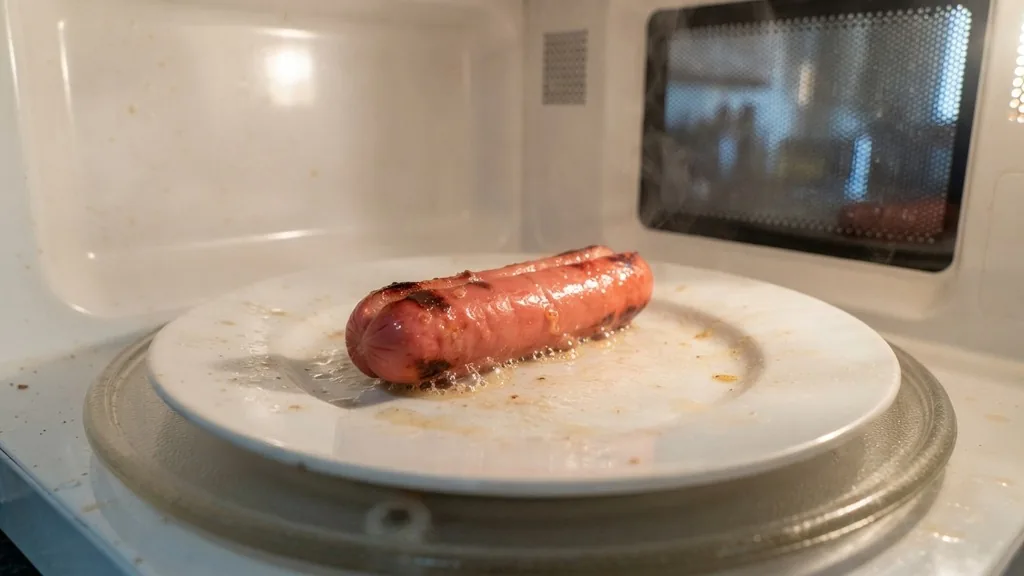
Yes, you can microwave hot dogs safely, and it is widely considered one of the most efficient ways to prepare this popular snack when you are short on time. While traditional methods like grilling over an open flame or boiling in a pot on the stove are often prized for their ability to develop specific textures or flavor profiles, the microwave offers unparalleled convenience.
Because hot dogs are typically pre-cooked during the manufacturing process, the primary goal of your cooking method is simply to heat the meat through to a safe internal temperature. Microwaving achieves this in a matter of seconds, making it a reliable staple for busy households, quick lunches, or impromptu gatherings.
The Science Behind Microwaving Processed Meats
To understand why microwaving hot dogs is so effective, it helps to look at how microwave ovens interact with food. Microwaves emit electromagnetic waves that cause water molecules within the food to vibrate rapidly. This vibration creates friction, which generates heat throughout the item.
Since hot dogs are essentially an emulsion of finely ground meat, fat, and seasonings with a high moisture content, they respond very well to this energy transfer. Unlike a grill, which applies high, dry heat to the surface to create a crust, the microwave heats the entire mass of the hot dog relatively uniformly.
One of the most important factors to keep in mind is the casing. Most standard supermarket hot dogs are sold without natural casings, or with a very thin, edible collagen casing. When you microwave hot dogs, the internal temperature rises quickly, which can cause the moisture inside to turn into steam.
If there is no place for that steam to escape, the pressure can build up, leading to the skin splitting or the hot dog exploding in your microwave. This is why many experienced home cooks recommend piercing the surface of the hot dog with a fork before heating. This simple step allows the steam to vent safely, preserving the structural integrity of the meat while ensuring it reaches the desired temperature without a mess.
Step-by-Step Instructions for Perfect Microwave Results
If you want to achieve the best results, you should follow a few simple steps. First, ensure that you are using a microwave-safe plate or container.
While many people simply place hot dogs on a paper towel, it is important to verify that your paper towel is free of metallic ink or non-microwave-safe adhesives. Once you have your setup ready, follow this process to ensure even cooking.
- Pierce the surface of each hot dog in two or three places using a clean fork.
- Place the hot dogs on a microwave-safe dish, ensuring they are not touching each other too closely.
- For a single hot dog, cook on high power for approximately 30 to 45 seconds.
- If you are cooking multiple hot dogs simultaneously, increase the time by 20-30 seconds per additional piece.
- Allow the hot dogs to rest for 30 seconds after the timer goes off, as the heat will continue to distribute internally.
It is important to note that the exact time depends heavily on the wattage of your specific microwave. Lower-wattage models may require more time, while high-powered units can turn a hot dog into a rubbery, shriveled piece of meat if left in for too long. Always start with less time; you can always add more, but you cannot fix a hot dog that has been overcooked to the point of dehydration.
Comparing Cooking Methods for Hot Dogs
Many culinary enthusiasts argue that the way you cook a hot dog defines its quality. While the microwave is superior for speed, it lacks the Maillard reaction—the chemical process that occurs when proteins and sugars brown under high heat—that you get from a grill or a cast-iron skillet. The table below outlines how the microwave stacks up against other common preparation methods.
| Cooking Method | Speed | Texture | Flavor Profile |
|---|---|---|---|
| Microwave | Very Fast | Soft, steamed | Mild, standard |
| Grilling | Slow | Crispy, charred | Smoky, intense |
| Boiling | Moderate | Plump, juicy | Classic, neutral |
| Pan-Frying | Moderate | Crispy, savory | Rich, browned |
As you can see, the microwave is the clear winner for efficiency, but it provides a very specific texture. If you enjoy a “snap” when you bite into a hot dog, the microwave may leave you wanting more. However, if you are looking to get a quick meal on the table, it is the most practical choice.
Addressing Common Concerns and Safety Myths
A common question is whether it is safe to microwave hot dogs in the bun. While you technically can, it is generally discouraged. When you microwave a hot dog inside a bun, the bun absorbs the moisture released by the hot dog, leading to a soggy, unappealing texture.
Furthermore, the bread often becomes rubbery or tough because the microwave causes the starches in the bread to gelatinize rapidly. For the best experience, heat the hot dog first, and then either toast the bun separately or place the hot-off-the-microwave meat into a fresh bun.
Another safety concern involves the potential for bacterial growth. According to the United States Department of Agriculture, hot dogs should be heated until they are steaming hot. This ensures that any potential pathogens, such as Listeria, which can contaminate processed meats during packaging, are destroyed.
Always check that the center of the hot dog is piping hot before consuming. If you are preparing hot dogs for young children, consider slicing them into bite-sized pieces after heating to further ensure they are warm through and through and to mitigate choking hazards.
Troubleshooting Common Microwave Issues
If your hot dogs are coming out with an odd texture or uneven temperature, there are a few adjustments you can make. The most common issue is the “shriveled” look. This happens when the moisture is pulled out too rapidly, leaving the meat dry.
To prevent this, you can try wrapping the hot dog in a damp paper towel. This creates a mini-steamer environment within the microwave, keeping the meat moist and plump while it heats.
Another issue is uneven heating when cooking multiple hot dogs. Microwaves create standing waves, meaning some spots in the oven get more energy than others. If you are cooking more than one, arrange them in a circle on your plate rather than in a straight line.
This allows the energy to distribute more evenly across the entire surface area of the meat. If you are using a microwave-safe bowl, adding a tablespoon of water to the bottom can also help facilitate a more consistent steam-based cooking environment, which is often preferred by those who dislike the “drier” microwave texture.
Handling Topical Gaps and Advanced Tips
One area often overlooked in discussions about microwaving hot dogs is the impact of fat content and ingredient quality. Premium, all-beef hot dogs with natural casings react differently than standard, low-cost options. High-fat sausages may “sputter” more in the microwave, creating a greasy mess inside your appliance.
If you are using a high-quality, gourmet-style sausage, you may want to reduce the power level of your microwave to 50% or 60% and double the time. This “low and slow” approach in the microwave mimics the gentle heat of a stovetop, allowing the fat to render slowly without causing the casing to burst or the meat to become tough.
Additionally, consider the seasoning. Because the microwave does not add flavor, you are entirely dependent on the quality of the hot dog itself. If you find the flavor too bland, try adding a small amount of water seasoned with a pinch of garlic powder or smoked paprika to the bottom of your dish.
As the water evaporates, it will lightly coat the hot dogs in the seasoning. This is a simple, effective way to elevate a basic microwave snack into something that feels more deliberate and flavorful.
Frequently Asked Questions
Is it safe to microwave a hot dog in its original plastic packaging?
No, you should never microwave a hot dog in its original store packaging. Most plastic wrappers are not designed to withstand high temperatures and can melt or leach chemicals into your food. Always remove the hot dog and place it on a microwave-safe plate before heating.
How do I know if the hot dog is fully cooked?
Since hot dogs are pre-cooked, you are simply reheating them. You will know they are ready when they are steaming hot throughout. If you are concerned about safety, you can use a food thermometer to ensure the internal temperature reaches at least 165 degrees Fahrenheit.
Can I microwave a frozen hot dog directly?
Yes, you can microwave frozen hot dogs, but you will need to increase the cooking time significantly. Use a lower power setting to defrost them first, or add an extra minute to the total cooking time, keeping a close eye on them to prevent the ends from drying out.
Why do hot dogs sometimes pop or explode in the microwave?
Hot dogs explode because the moisture inside turns into steam faster than it can escape through the casing. As the steam expands, it creates pressure that eventually ruptures the skin. Piercing the hot dog with a fork before cooking provides a necessary vent for this steam to escape.


