

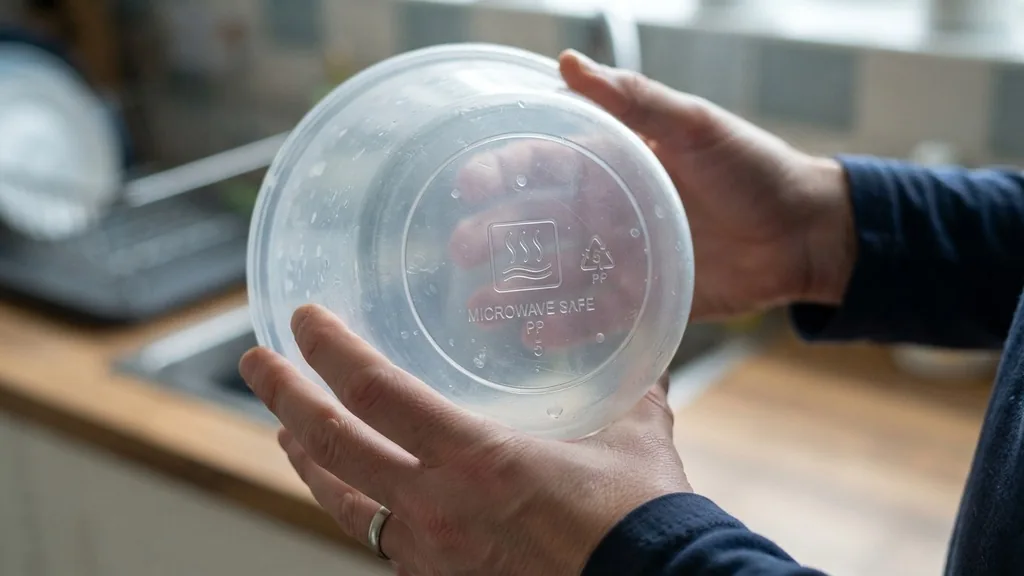
Determining whether you can microwave plastic tupperware requires looking beyond the brand name and understanding the underlying science of polymer chemistry. While many people use the term “Tupperware” as a generic descriptor for any plastic food storage container, the reality is that not all plastics are created equal.
When you subject plastic to high-frequency electromagnetic radiation, the polymer structure can react in unpredictable ways, potentially leading to the leaching of harmful chemicals into your meal. Understanding the nuances of microwave-safe ratings and material composition is essential for anyone who values convenience without compromising their health.
Identifying Microwave-Safe Symbols and Standards
The most reliable way to determine if your plastic container is suitable for the microwave is to look for the microwave-safe symbol. Most manufacturers mold this icon directly into the bottom of the container.
It usually appears as a square containing wavy lines, sometimes accompanied by the text “microwave safe.” If you do not see this symbol, or if the plastic feels thin and flimsy, it is best to assume that the container is not designed to withstand high heat.
Beyond the logo, you should look for the resin identification code, which is a number inside a recycling triangle. While these codes were originally designed for recycling purposes, they offer clues about the plastic’s heat resistance.
Plastics labeled with the number 5 (Polypropylene) are generally considered the most heat-resistant and are frequently used for microwave-safe food storage. In contrast, plastics labeled with 1 (PET/PETE), often found in single-use water bottles, are prone to warping and chemical leaching when exposed to the sustained heat of a microwave.
It is important to understand that the term “microwave-safe” is not a guarantee of eternal durability. These containers are tested to ensure they do not melt or release harmful levels of substances like Bisphenol A (BPA) or phthalates under standard testing conditions.
However, repeated heating cycles, physical degradation, and contact with high-fat or high-sugar foods can accelerate the breakdown of the polymer matrix. Over time, even a container that was once safe can become compromised, showing signs of pitting, staining, or a “cloudy” appearance that indicates the plastic is degrading.
The Science of Chemical Leaching and Heat
When you are microwaving food in a plastic container, you are essentially subjecting the material to a thermal stress test. Plastics are polymers—long chains of molecules held together by chemical bonds.
As the temperature of the container rises, the molecular chains begin to vibrate more vigorously. If the temperature exceeds the material’s glass transition temperature, the plastic softens, becomes pliable, and may lose its structural integrity.
The primary concern during this process is the migration of chemical additives from the plastic into the food. These additives, which include plasticizers designed to make the material flexible or stabilizers meant to prevent degradation, can migrate more easily when the plastic is heated.
Research from the U.S. Food and Drug Administration confirms that any substance that comes into contact with food is considered a food additive, and manufacturers must ensure that these materials do not leach harmful levels of chemicals under intended conditions of use.
Fatty and sugary foods are particularly problematic. These substances can reach temperatures significantly higher than the boiling point of water, which is the standard benchmark for testing microwave safety.
If you heat a greasy pasta sauce or a sugary syrup in a plastic dish, the oil or sugar may reach temperatures that exceed the melting point of the plastic itself, leading to localized melting or “pitting” of the interior surface. This degradation not only ruins the container but also increases the likelihood that chemical compounds will transfer into your meal.
Distinguishing Between Types of Plastic Containers
Not all plastic containers behave the same way under electromagnetic stress. To help you distinguish between high-quality, durable options and single-use items, consider the following comparison of common materials found in the kitchen.
| Material Type | Heat Resistance | Microwave Suitability |
|---|---|---|
| Polypropylene (PP, #5) | High | Generally Safe |
| Polyethylene (HDPE/LDPE, #2/4) | Moderate | Limited Use |
| Polystyrene (PS, #6) | Low | Never Microwave |
| Polycarbonate (PC, #7) | High | Avoid (BPA risk) |
As indicated in the table, polypropylene is the gold standard for microwaveable plastics. It is a rigid, heat-resistant thermoplastic that holds its shape well. Conversely, polystyrene, commonly used for takeout containers and disposable bowls, is notorious for melting almost instantly when exposed to the heat of a microwave.
Even if a container seems sturdy, if it is not explicitly marked as microwave safe, you are taking a risk. The presence of the resin code is a helpful guide, but checking for the manufacturer’s specific microwave-safe designation is the only way to ensure safety.
Best Practices for Reheating Food Safely
If you decide to use plastic for reheating, you can minimize risks by following a few simple protocols. First, avoid overfilling the container.
Leave a gap between the food and the lid to prevent the lid from trapping steam, which can create a pressurized environment. If you must use a lid, ensure it is loose to allow steam to escape; a tightly sealed container can cause the plastic to warp or even explode due to internal pressure.
Second, consider the duration of the heat exposure. Microwaving for a few seconds to take the chill off a cold dish is significantly safer than using the microwave to cook food from scratch.
The longer the food remains in the microwave, the higher the internal temperature climbs, and the greater the likelihood of the plastic container reaching its physical limit. If you are heating food for more than a few minutes, it is highly recommended to transfer the food to a glass or ceramic dish.
Finally, inspect your containers regularly. If you notice scratches, cracks, or a rough texture on the inside of your plastic containers, it is time to retire them. These physical imperfections provide a larger surface area for chemical migration and can also harbor bacteria that are difficult to clean.
When in doubt, discard the container. The convenience of a plastic dish is never worth the potential ingestion of chemical additives that have leached out due to material fatigue.
Common Misconceptions About Microwave Safety
A frequent point of confusion is the belief that if a container is dishwasher-safe, it must also be microwave-safe. This is a dangerous assumption. Dishwashers subject plastic to heat, but that heat is typically restricted to the temperature of the water, which rarely exceeds 160 degrees Fahrenheit.
Microwaves, however, can heat food—and consequently the container—to temperatures well above 212 degrees Fahrenheit, especially when dealing with fats and sugars. A plastic that remains stable in a dishwasher may undergo a phase change in a microwave.
Another common myth is that “Tupperware” is a single material. In reality, the company produces a wide array of products, some of which are specifically designed for the freezer, some for the pantry, and others for the microwave.
Using a freezer-grade container in the microwave is a recipe for disaster; these plastics are formulated to stay flexible at low temperatures and often lack the thermal stability required for high-heat applications. Always check the specific markings on your individual piece of food storage rather than relying on the brand name alone.
Furthermore, people often assume that because a container is thick, it is safe. Thickness does not equate to heat resistance. Some thick plastics are designed for rigidity rather than thermal endurance.
Always prioritize the manufacturer’s instructions over the visual appearance or the perceived quality of the plastic. If a container does not have an explicit microwave-safe label, it is safer to assume it is intended solely for storage or serving cold foods.
The Benefits of Switching to Glass and Ceramic
While many modern plastics are safe for short-term use, many experts recommend transitioning to glass or ceramic for regular microwave usage. These materials are chemically inert, meaning they will not leach chemicals into your food regardless of the temperature or the fat content of the meal. Glass does not stain, it does not absorb odors, and it is not prone to the structural degradation that plagues even the highest-quality plastics.
Using glass containers for reheating provides several distinct advantages:
- Chemical Neutrality: Glass does not react with acidic or fatty foods, ensuring your food tastes exactly as it should.
- Long-term Durability: Unlike plastic, which eventually clouds and scratches, glass remains clear and smooth for years.
- Ease of Cleaning: Glass is non-porous, making it much easier to sanitize and remove stubborn food residues.
- Visual Monitoring: Because glass is transparent, you can easily monitor the heating process without having to remove the lid.
While glass is heavier and more fragile than plastic, its longevity and safety profile make it an investment in your kitchen. If you are concerned about the environmental impact of plastic waste or the potential health risks of chemical migration, moving toward a glass-based storage system is a highly effective strategy. You can still use plastic for dry storage or cold items, but keeping your microwave tasks confined to glass or ceramic will give you total peace of mind.
Frequently Asked Questions
How do I know if my Tupperware is truly microwave-safe?
Look for the microwave-safe symbol—a square with wavy lines—or the word “microwave” on the bottom of the container. If there is no symbol, avoid using it. Additionally, check for the resin code #5 (Polypropylene), which is the most heat-resistant plastic for microwave use.
Is it safe to microwave plastic containers for 30 seconds?
Short intervals are generally safer than long ones. A quick 30-second reheat is unlikely to cause significant degradation to high-quality, microwave-safe plastic. However, if the container is not explicitly labeled as microwave-safe, even short durations could lead to surface melting if the food is very hot.
What materials should I never put in a microwave?
Never microwave metal, including aluminum foil or containers with metallic trim, as this can cause arcing and fire. Also, avoid single-use plastics like yogurt tubs, margarine containers, or foam takeout boxes. These materials are not heat-stabilized and will melt or leach chemicals rapidly when exposed to heat.
Does the lid matter when microwaving plastic?
Yes, the lid is critical. Never seal a plastic container tightly in the microwave, as trapped steam can build pressure and cause the container to warp or burst. Always place the lid slightly askew or use a vented cover to allow steam to escape safely during the heating process.


