

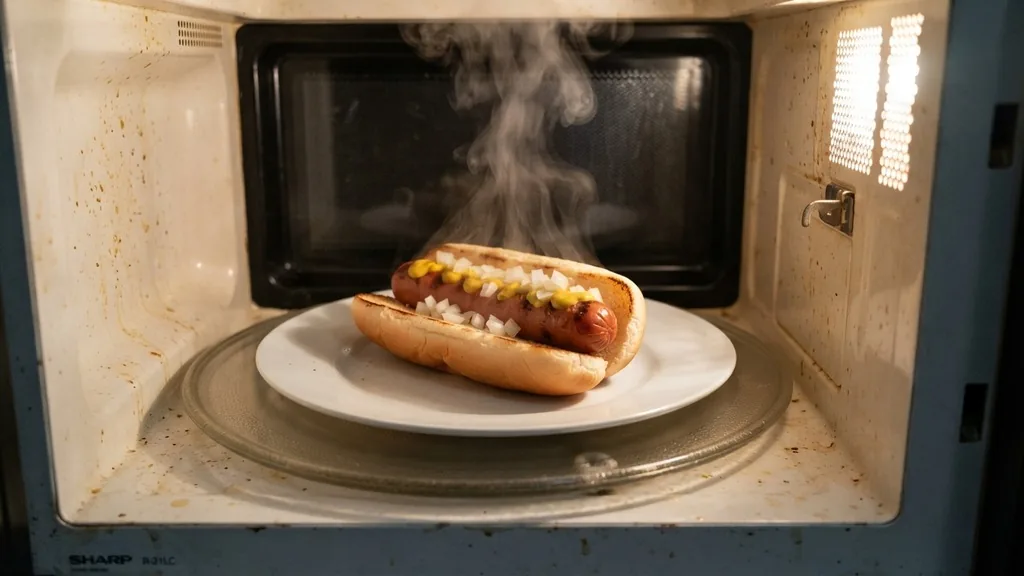
Cooking a hot dog in the microwave is the ultimate convenience move for busy schedules, late-night cravings, or quick lunches. While purists might argue for the grill or a stovetop boil, learning how to cook hot dogs in microwave effectively allows you to achieve a surprisingly juicy, hot result in under a minute. When executed correctly, the microwave doesn’t just heat the meat; it can produce a texture that satisfies the palate without the need for specialized kitchen equipment or long wait times.
The key to success lies in understanding moisture management. Microwaves work by exciting water molecules within the food, which creates heat.
If you simply toss a cold link into the chamber, you risk ending up with rubbery skin or unevenly heated centers. By using simple techniques like paper towel wrapping or controlled water baths, you can elevate this humble pantry staple into a perfectly prepared meal.
The Science Behind Microwave Cooking for Processed Meats
To master the technique, one must first understand how a microwave interacts with a hot dog. A hot dog is a pre-cooked emulsion of meat, fat, and seasonings. Because these items are already cooked during the manufacturing process, your goal when using a microwave is simply to reheat the internal temperature to a safe, appetizing level.
Microwaves utilize non-ionizing radiation to cause dielectric heating. This means the electromagnetic waves penetrate the exterior of the meat and cause the polar molecules—primarily water—to rotate rapidly, generating friction and heat.
The primary challenge with this method is moisture loss. Because microwaves heat from the inside out, they can easily evaporate the juices that give a hot dog its snap and flavor.
If you do not provide a way to retain that steam, the casing can become tough or wrinkled, and the meat can turn dry. This is why professional kitchens and home chefs alike emphasize the importance of covering or shielding the food.
Furthermore, the geometry of the meat matters. Hot dogs are cylindrical, which makes them prone to “hot spots.” You may have noticed that some parts of your lunch become scorching hot while others remain lukewarm.
This happens because the microwave energy isn’t distributed perfectly evenly throughout the cavity. Rotating the food or adjusting the power levels can mitigate these issues, ensuring that your meal reaches an optimal internal temperature of at least 165 degrees Fahrenheit, which is the standard recommendation for safety according to the USDA Food Safety and Inspection Service guidelines for reheating processed meats.
Preparation Techniques for Optimal Texture
Before you press the start button, preparation is everything. You have several options depending on the texture you desire. Many people prefer the “paper towel wrap” method, as it acts as a barrier that traps steam while simultaneously absorbing excess grease.
To do this, simply wrap the hot dog loosely in a single, high-quality paper towel. This creates a mini-steaming chamber that keeps the exterior from drying out too quickly.
Another popular approach involves scoring the meat. By making small, shallow diagonal cuts along the length of the hot dog, you allow steam to escape from the inside without causing the casing to burst or shrivel. This also creates surface area for condiments like mustard or relish to settle into, enhancing the overall flavor profile.
If you are cooking multiple items at once, ensure they are arranged in a circular pattern on the plate rather than a dense pile. This allows the microwave energy to distribute more evenly across the entire surface area of the food.
For those who want a more “boiled” texture, you can submerge the hot dog in a bowl of water. While this might seem counterintuitive to a microwave process, it effectively creates a poaching environment.
The water heats up, creating a hot bath that ensures the meat reaches the perfect temperature without any risk of drying out. Regardless of the method you choose, always ensure you are using microwave-safe dinnerware—ceramic or glass is best—to avoid any chemical leaching that can occur with lower-quality plastics.
Managing Cook Time and Power Levels
One of the most common mistakes beginners make is using “high” power for too long. A microwave at full blast can turn a succulent link into a shriveled, tough piece of rubber in mere seconds. The trick is to use shorter bursts of time.
For a single hot dog, 30 to 45 seconds is usually sufficient. If you are cooking two or more, you will need to increase the time, but do so in increments.
It is helpful to follow a systematic approach:
- Place your hot dog on a microwave-safe plate or in a bowl.
- If using the steam-retaining method, wrap the link loosely in a damp paper towel.
- Set the microwave power to 70% or 80% rather than 100% to ensure more even heating.
- Cook for 30 seconds, check the temperature, and then add 10-second intervals as needed.
- Let the hot dog rest for 30 seconds after removing it from the microwave to allow heat distribution to stabilize.
This “pulse” method prevents the internal juices from boiling too violently, which is the primary cause of the “exploding” hot dog phenomenon. By allowing for a short resting period, you ensure that the heat moves from the exterior toward the center, resulting in a consistent temperature throughout the entire length of the meat. If you are in a rush, you might be tempted to skip the rest, but doing so often results in a bite that is dangerously hot on the outside and cold in the middle.
Comparing Microwave Methods for Best Results
When deciding how to cook hot dogs in the microwave, it helps to compare the outcomes of different techniques. Each method produces a unique mouthfeel and appearance, allowing you to customize your meal based on your current preference.
| Method | Texture Result | Best For |
|---|---|---|
| Paper Towel Wrap | Steamed and Juicy | Standard quick lunch |
| Water Submersion | Soft and Moist | Boiled-style enthusiasts |
| Direct Plate Heating | Slightly Crispy Skin | Those who like “charred” results |
| Scored/Slit Surface | Evenly Cooked | Large or thick hot dogs |
The “Direct Plate” method, while simple, is the most prone to drying out. However, if you enjoy a slightly snappy, firmer texture, this is the way to go. The key is to keep a close eye on the microwave window.
As soon as you hear the first “pop” or see the casing beginning to bulge, stop the microwave immediately. This is the indicator that the internal pressure has reached its limit and the meat is fully heated.
Addressing Common Topical Gaps and Misconceptions
A common question that often arises is whether it is better to microwave or boil hot dogs. Boiling is the traditional route, but it requires waiting for a pot of water to reach a rolling boil, which can take up to 10 minutes. Microwaving achieves a similar result in under one minute.
The main difference is the “flavor extraction.” Boiling pulls some of the salt and seasonings out into the water, whereas microwaving keeps the flavor concentrated inside the meat.
Another misconception is that microwaved hot dogs are somehow “less safe.” As long as the internal temperature reaches the necessary threshold, the safety profile is identical to any other cooking method. The primary concern is texture.
Many people avoid the microwave because they have had bad experiences with rubbery, tough, or unevenly heated meat. By addressing the moisture management issues—specifically by using the paper towel or water-bath methods mentioned earlier—you can eliminate these negative experiences entirely.
Furthermore, there is a debate about whether to put the bun in with the hot dog. It is generally advised against.
Buns contain a different moisture content and density than the meat; if you microwave them together, the bun will likely become soggy from the steam released by the hot dog, while the hot dog may remain undercooked. Always toast or warm your bun separately, or simply use a fresh bun to ensure the best contrast between the warm, savory meat and the soft, neutral bread.
Safety and Practical Tips for Daily Use
Beyond the mechanics of heating, there are several safety practices to keep in mind. Always check the packaging of your hot dogs.
Some varieties, particularly those with natural casings, are more prone to splitting than others. If you are using a premium, high-quality sausage, consider using the water-bath method to prevent the casing from bursting.
If you are cooking for a group, be aware that the microwave’s power is divided by the number of items in the chamber. If one hot dog takes 45 seconds, three hot dogs will likely take about 90 to 120 seconds.
Always check the center of the middle hot dog, as this is usually the last part to heat up. If you find that the ends are becoming overcooked before the center is done, you can try placing the links in a spoke-like pattern with the ends facing toward the center of the plate, as microwaves often heat more intensely toward the outer edges of the rotating tray.
Finally, consider the cleanliness of your microwave. Hot dogs can release fat and juices during the heating process. If these splatter, they can create a mess that leads to odors or burned-on residue in future uses.
Using a microwave-safe cover or a simple paper towel over the plate is an easy way to keep your appliance clean while ensuring your food is prepared safely. This simple habit saves time on maintenance and ensures that your kitchen remains a hygienic space for all your culinary activities.
Enhancing Your Quick Meal
Once you have mastered the art of microwaving, you can focus on the final assembly. A hot dog is only as good as its toppings.
Because the microwave method is so fast, you have plenty of time to prepare a variety of condiments. Whether you are a fan of classic yellow mustard, diced white onions, relish, or even gourmet toppings like sauerkraut or chili, the speed of the microwave allows you to create a high-quality meal without the stress of a long cooking time.
Remember that the resting period is not just for temperature equalization; it is also the perfect time to prep your bun. A light toast in a toaster oven or even a quick pass over a dry pan can make a world of difference. When you combine a perfectly microwaved, juicy hot dog with a warm, slightly toasted bun and your favorite toppings, you achieve a level of quality that rivals traditional cooking methods, proving that convenience does not have to come at the expense of flavor.
Frequently Asked Questions
Is it better to microwave or boil hot dogs?
Boiling is better for flavor extraction and achieving a very soft, classic texture. However, microwaving is significantly faster and more convenient for a quick meal. If you use a damp paper towel to retain moisture, the quality difference between the two methods becomes negligible for most people.
How long does a hot dog need to be microwaved?
A single standard hot dog typically requires 30 to 45 seconds on high power. For multiple hot dogs, increase the time in 30-second increments. Always check the internal temperature, ensuring it reaches at least 165 degrees Fahrenheit to ensure it is thoroughly heated and safe to consume.
Should you wrap hot dogs in paper towels when microwaving?
Yes, wrapping a hot dog in a damp paper towel is highly recommended. This technique creates a steaming effect that prevents the casing from drying out or becoming rubbery. It also helps absorb excess grease, keeping your plate cleaner and the texture of the meat more consistent.
Can you microwave hot dogs without water?
Yes, you can microwave hot dogs without water, but you must be careful not to overcook them. Using a paper towel wrap or scoring the skin helps prevent the meat from drying out or bursting. Without any moisture-retaining technique, the hot dog is much more likely to become tough and shriveled.


