

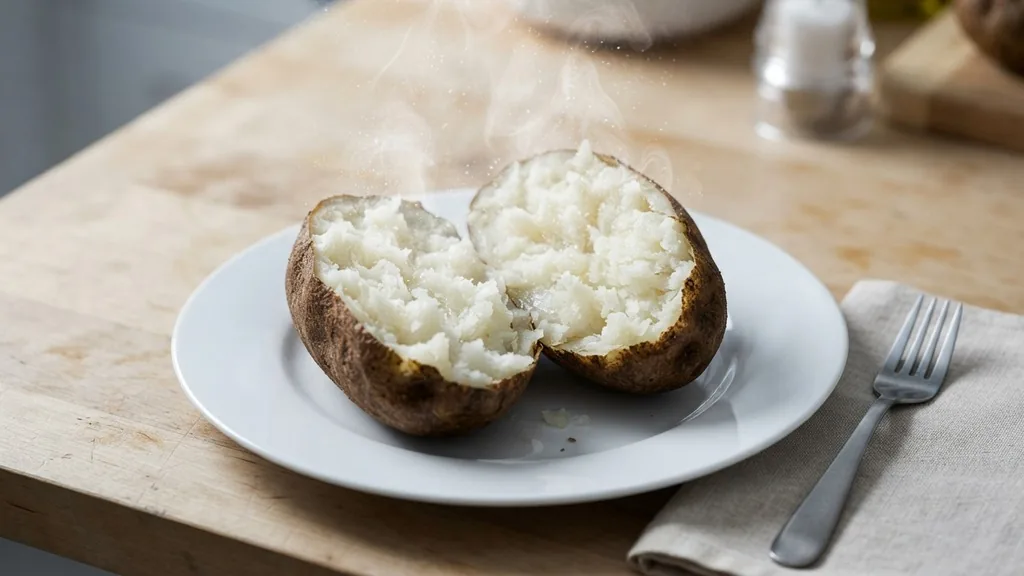
Learning how to cook potatoes in the microwave is a game-changer for anyone looking to save time in the kitchen without sacrificing the comforting texture of a perfectly cooked tuber. While many home cooks rely exclusively on the conventional oven, the microwave offers a rapid, efficient, and surprisingly effective alternative for preparing everything from fluffy baked potatoes to tender chunks ready for a quick salad.
By understanding the science of moisture retention and steam distribution, you can achieve a result that mimics the quality of traditional methods in a fraction of the time. This approach is not just about speed; it is a fundamental culinary technique that turns a raw, starchy vegetable into a versatile base for countless meals.
The Science Behind Microwave Potato Cooking
At its core, the microwave operates by emitting electromagnetic waves that cause water molecules within the food to vibrate rapidly. This friction generates heat, which cooks the potato from the inside out.
Unlike a conventional oven, which relies on ambient heat to slowly penetrate the thick skin of the potato, the microwave targets the moisture content directly. This is why the process is significantly faster, often reducing a forty-five-minute wait to mere minutes.
However, because the heat is generated internally, the exterior skin does not undergo the same dehydration process that creates a crispy crust in a standard oven. To compensate for this, it is essential to manage the steam. If you place a naked potato directly into the microwave, the moisture may escape too quickly, leading to a dry or shriveled texture.
By using a fork to pierce the skin, you create controlled vents that allow excess steam to escape, preventing the potato from rupturing due to internal pressure. For those who prioritize a soft, steamed interior, the microwave is arguably the most efficient tool at your disposal.
Step-by-Step Preparation for Perfect Results
Achieving consistency when you learn how to cook potatoes in the microwave requires a systematic approach. Start by selecting potatoes of a similar size to ensure they finish at the same time. Russet potatoes are generally considered the gold standard for this method because their high starch content results in a light, fluffy interior that holds up well to the quick steaming process.
Follow these fundamental steps to ensure success:
- Clean the potatoes thoroughly under cold running water to remove any dirt or debris from the skin.
- Pat the potatoes dry with a paper towel; excess surface moisture can lead to a soggy skin rather than a clean, steamed finish.
- Use a sturdy fork to pierce the skin at least six to eight times. This is non-negotiable, as it prevents the buildup of steam from causing the potato to burst.
- Rub the exterior lightly with a tiny amount of olive oil or butter if you prefer a slightly softer skin, though this is optional.
- Place the potatoes on a microwave-safe plate, ensuring they are not touching each other to allow for even air circulation.
Once prepared, place the plate in the center of the microwave. If your microwave has a turntable, this movement helps distribute the energy evenly, minimizing cold spots. If your appliance lacks a turntable, you may want to rotate the potatoes halfway through the cooking cycle.
Calculating Cooking Time Based on Potato Size
Determining exactly how long to leave the potatoes in the machine is the most common point of confusion. There is no universal “magic number” because microwave power levels and potato sizes vary wildly. On average, a medium-sized Russet potato will take roughly 5 to 7 minutes to reach a state of doneness where a fork slides into the center with zero resistance.
If you are cooking multiple potatoes at once, the total time will increase. A common rule of thumb is to add about 2 to 3 minutes for every additional potato added to the load. To manage this effectively, start with a conservative estimate—perhaps 5 minutes—and then check the progress.
If they are still firm, continue in 1-minute increments. You can find detailed guidelines on food safety and preparation at the United States Department of Agriculture, which provides resources on proper food handling techniques.
The following table provides a general estimate for cooking times based on the quantity and size of the potatoes:
| Number of Potatoes | Estimated Time (Medium Size) | Estimated Time (Large Size) |
|---|---|---|
| 1 Potato | 5-6 minutes | 7-8 minutes |
| 2 Potatoes | 8-10 minutes | 11-13 minutes |
| 3 Potatoes | 12-14 minutes | 15-17 minutes |
| 4 Potatoes | 16-18 minutes | 19-21 minutes |
Addressing Common Culinary Myths and Topical Gaps
There is a persistent belief that microwaved potatoes are “inferior” to those cooked in a traditional oven. While it is true that you will not achieve the thick, crispy, salt-crusted skin of an oven-baked potato, the microwave is superior for tasks like prepping potatoes for mashing or potato salad. One common gap in advice is the “middle ground” technique: if you desire the best of both worlds, you can microwave the potato for 4 or 5 minutes until it is mostly cooked, then finish it in a hot oven for 10 minutes to crisp the skin.
Another question often raised is whether you need to wrap the potato in a paper towel. While wrapping can help trap moisture and result in a softer skin, it is not strictly necessary. If you prefer a slightly firmer skin, leave the potato unwrapped.
Furthermore, many people worry about the potato drying out. If you feel your microwave is prone to over-drying, you can place a small, microwave-safe cup of water in the corner of the microwave to increase the humidity in the chamber, which helps keep the potato succulent.
Techniques for Different Potato Varieties
Not all potatoes respond to the microwave in the same way. While Russets are the classic choice, Yukon Golds, red potatoes, and even sweet potatoes can be cooked using this method with excellent results. Yukon Golds, with their creamier, waxier texture, cook slightly faster than Russets and maintain a dense, buttery consistency that is perfect for quick side dishes.
When working with smaller varieties, such as fingerlings or baby potatoes, you can often cut them into uniform cubes before microwaving. Place these cubes in a microwave-safe bowl with a splash of water and cover with a lid or a microwave-safe plate. This essentially creates a pressure-cooker environment, allowing the cubes to steam perfectly.
This is an excellent way to prepare potatoes for a quick breakfast hash or a fast potato salad. Remember, smaller pieces cook exponentially faster than whole tubers, so start checking for doneness after just 3 minutes.
Seasoning and Serving Suggestions
Once the potato is cooked, the skin will be hot, so handle it with care—using a clean kitchen towel or oven mitt is highly recommended. The interior will be piping hot and ready to absorb whatever flavors you choose to add. Because the microwave method is so fast, it is the perfect vehicle for quick, high-impact toppings.
A classic approach involves splitting the potato open, fluffing the inside with a fork, and adding a generous pat of butter. The residual heat will melt the butter instantly, allowing it to penetrate deep into the fluffy starch. If you enjoy a savory kick, a sprinkle of coarse sea salt and freshly cracked black pepper is often all you need.
For a more substantial meal, consider adding sour cream, chopped chives, shredded cheddar cheese, or even leftover chili. Because the microwave method is so efficient, you can easily turn a lonely potato into a hearty, satisfying lunch in under ten minutes, making it a staple technique for busy professionals and students alike.
Troubleshooting and Safety Considerations
Safety should always be the primary concern when operating kitchen appliances. While microwaving potatoes is generally safe, there are a few precautions to keep in mind.
Always ensure your plate is labeled “microwave-safe.” Avoid using metallic bowls or plates with metallic rims, as these can cause arcing, which is a fire hazard.
If you find that your potatoes are consistently unevenly cooked, consider the placement. Microwaves tend to cook more intensely at the edges of the turntable. If you are cooking multiple potatoes, arrange them in a circle rather than a cluster in the center.
This allows each potato to receive a more equitable share of the electromagnetic energy. If a potato feels hard in the center but soft on the edges, it is likely that the energy was not distributed well, or the potatoes were simply too large to cook through in the initial timeframe. Do not hesitate to add more time, but always do so in short, controlled bursts to prevent the potato from becoming dehydrated or “rubbery.”
Frequently Asked Questions
Can you cook raw potatoes in the microwave safely?
Yes, you can absolutely cook raw potatoes in the microwave. It is a highly efficient way to prepare them. Just ensure you pierce the skin with a fork several times to prevent steam buildup, which could otherwise cause the potato to burst inside the appliance.
Do you need to add water to the microwave when cooking potatoes?
You do not need to add water to the potato itself. However, if you find your microwave tends to dry out food, placing a small, microwave-safe cup of water in the corner of the microwave can help maintain a humid environment, resulting in a more tender potato skin.
How do I know when the potato is finished cooking?
The most reliable way to check for doneness is to insert a fork into the thickest part of the potato. If the fork slides in easily with no resistance, the potato is ready. If you feel a hard center, add another minute and test again.
Should I wrap the potato in a paper towel?
Wrapping a potato in a damp paper towel is optional. It helps retain moisture and creates a softer, more steamed skin. If you prefer a slightly drier or crisper skin, you can cook the potato unwrapped directly on a microwave-safe plate.


